Motorola two-way radios offer reliable communication, featuring durable designs like IP68/IP69 and MIL-STD-810H standards. They integrate AI features and offer enhanced performance.
What are Two-Way Radios?
Two-way radios, also known as walkie-talkies, are handheld devices for direct voice communication. Unlike cell phones, they connect directly to each other without needing a cellular network, making them ideal for areas with limited or no coverage. Motorola’s models, boasting features like a 6.2-inch foldable display and Corning Gorilla Glass 7, exemplify this technology.
These radios utilize radio frequencies to transmit and receive signals, offering instant communication. They are commonly used in various settings, including construction sites, security teams, and outdoor adventures, providing a reliable and efficient means of staying connected. Motorola’s commitment to durability, with IP68/IP69 and MIL-STD-810H compliance, ensures performance in challenging environments.
Benefits of Using Motorola Two-Way Radios
Motorola two-way radios deliver numerous advantages, including instant communication without relying on cellular networks – crucial in remote areas. Their robust construction, featuring IP68/IP69 and MIL-STD-810H standards, ensures durability in harsh conditions. The integration of AI, like Gemini for searches, enhances usability.
Beyond reliability, these radios offer cost-effectiveness compared to ongoing cellular plans. Features like VOX operation and scanning channels improve efficiency. Motorola’s razr models, with their foldable design and 50MP AI cameras, demonstrate innovation. They provide a secure and direct communication channel, vital for coordinated teamwork and safety.
Understanding Your Motorola Radio Model
Motorola radios, like the razr 5G, boast 6;2-inch displays and durable builds (Gorilla Glass 7, IP68/IP69). Identifying your specific model unlocks its features.
Identifying Your Specific Model
Locating your Motorola two-way radio’s model number is crucial for accessing the correct user manual and support resources. The model identifier is typically found on a label affixed to the radio’s chassis. Check the back, bottom, or inside the battery compartment.
It’s often a combination of letters and numbers, such as “razr 5G”. This unique code distinguishes your radio from others in the Motorola lineup. Knowing this allows you to download specific programming software, understand its features – including AI integration – and ensure compatibility with accessories. Referencing the FCC ID can also help pinpoint your exact model.
Key Features and Specifications
Motorola two-way radios boast impressive durability, often meeting MIL-STD-810H standards for shock and vibration resistance, alongside IP68/IP69 ratings for water and dust protection. Many models feature large displays – like the 6.2-inch screen on the razr 5G – and foldable designs for portability.
Advanced features include AI-powered functionalities, such as Gemini integration for information retrieval and personalized playlists. Camera systems often exceed 50MP, delivering high-resolution images. Corning Gorilla Glass 7 provides enhanced screen protection, and some models support wet-finger operation.
Getting Started: Basic Operations
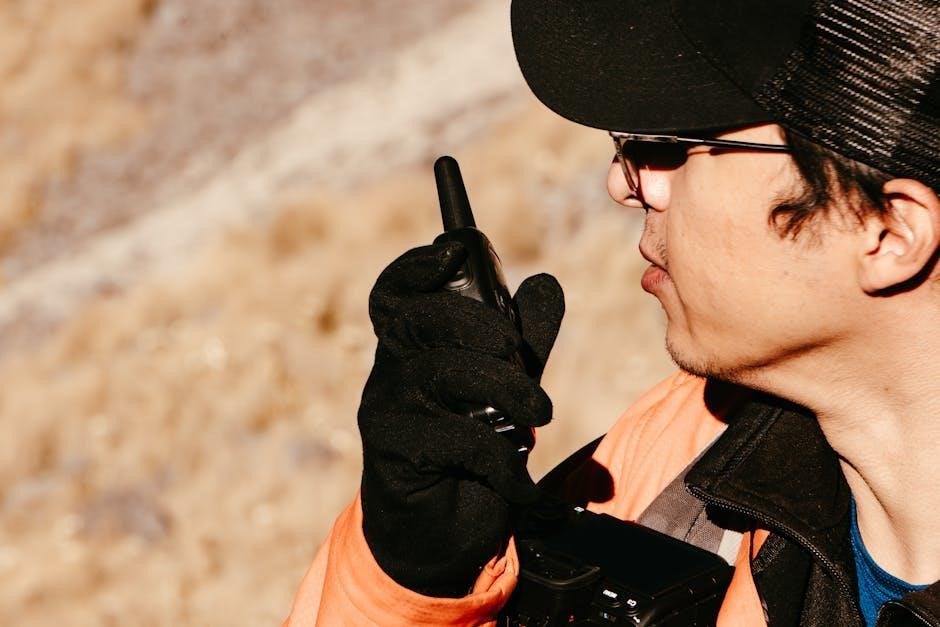
Initial setup involves powering on, adjusting volume controls, and selecting desired channels for communication, utilizing the radio’s intuitive interface for ease of use.
Powering On and Off
To power on your Motorola two-way radio, locate the power button – typically a rotary knob or a dedicated button – and turn it clockwise or press it firmly. A brief tone or visual indicator on the display confirms activation. Ensure a fully charged battery for optimal performance, as low battery levels can affect transmission range and clarity.
For powering off, reverse the process; turn the rotary knob counter-clockwise to the off position or press and hold the power button until the radio shuts down. Always power off the radio when not in use to conserve battery life and prevent accidental transmissions. Some models feature an auto-power off function for extended battery savings.
Adjusting Volume
Controlling the audio volume on your Motorola two-way radio is crucial for clear communication. Most models feature a dedicated volume control knob or up/down buttons. Rotating the knob clockwise increases the volume, while counter-clockwise decreases it. Digital models utilize buttons for incremental adjustments.
Begin with a low volume and gradually increase it until the audio is comfortably audible. Be mindful of your surroundings and avoid excessively loud volumes that could disturb others or damage your hearing. Some radios also offer volume level indicators on the display for precise control. Ensure optimal clarity in noisy environments.
Channel Selection
Selecting the correct channel is vital for communicating with the intended group. Motorola radios typically offer channel selection via a rotary knob or up/down buttons. Some models feature pre-programmed channels, while others allow manual frequency input. Refer to your radio’s frequency list to identify the appropriate channel for your activity.
Ensure all radios in your group are tuned to the same channel for successful communication. Digital radios may offer channel names for easier identification. Avoid transmitting on channels used by emergency services or other critical communications. Proper channel selection minimizes interference and ensures clear, reliable connectivity.
Advanced Features and Functions
Motorola radios boast features like scanning, VOX operation, monitor mode, and squelch control, enhancing usability and communication clarity in diverse environments.
Scanning Channels
Channel scanning allows your Motorola radio to automatically search for active conversations across programmed channels. This feature is incredibly useful for monitoring multiple frequencies without manually switching between them. To initiate a scan, typically you’ll press a dedicated ‘Scan’ button on the radio.
The radio will briefly pause on each active channel, allowing you to hear the transmission. If no activity is detected on a channel after a set period, it will move on to the next. You can often adjust the scan list to include or exclude specific channels, tailoring the scan to your needs. Remember to prioritize safety and be aware of your surroundings while scanning.
VOX (Voice Operated Exchange) Operation
VOX functionality enables hands-free communication by automatically transmitting when your radio detects your voice. This is particularly useful when your hands are occupied. To activate VOX, you’ll generally need to access the radio’s menu settings and enable the VOX feature.
Sensitivity levels are adjustable; higher sensitivity triggers transmission with quieter sounds, while lower sensitivity requires a louder voice. Proper adjustment prevents accidental transmissions from background noise. Ensure a clear understanding of VOX operation to avoid unintended broadcasts and maintain efficient communication during operations.
Monitor Mode
Monitor Mode allows you to listen for weak or distant signals on the current channel, bypassing the squelch circuit. This feature is invaluable for checking channel activity or attempting to receive faint transmissions. To activate Monitor Mode, typically a dedicated button or menu option is utilized.
While in Monitor Mode, you’ll hear channel noise even when no signal is present. Be mindful of this, and release the monitor button when a clear signal is received. It’s a useful diagnostic tool, but prolonged use can drain battery life and expose you to unwanted noise.
Squelch Control
Squelch control eliminates weak, unwanted background noise when no signal is being received. Adjusting the squelch level determines the signal strength required to break the silence. Lower squelch settings allow weaker signals to be heard, but also increase noise. Higher settings reduce noise but may block faint transmissions.
Most Motorola radios offer adjustable squelch levels, often accessed through a menu or dedicated knob. Experiment to find a balance between clear communication and minimal background noise. Proper squelch adjustment significantly improves audio clarity and reduces listener fatigue during extended use;
Programming and Customization
Motorola radios support programming via software, enabling channel adjustments and personalized settings for optimized communication and tailored user experiences.
Using Programming Software
Motorola’s programming software is crucial for customizing your radio’s functionality. This software, often available for download from Motorola’s official website or through authorized dealers, allows you to configure channels, set scan lists, and adjust various radio settings. Connecting your radio to a computer typically requires a programming cable, specific to your radio model.
The software interface usually presents a channel list where you can assign frequencies, names, and other parameters. Careful attention to frequency allocation and licensing regulations is essential during programming. Regularly backing up your radio’s configuration file is recommended to prevent data loss and facilitate quick restoration if needed. Always refer to your radio’s specific programming guide for detailed instructions.
Channel Programming
Channel programming involves assigning specific frequencies to each channel on your Motorola two-way radio. Using the programming software, you can input the desired frequency for each channel, ensuring it aligns with your operational needs and local regulations. It’s vital to verify frequency availability and obtain necessary licenses before programming.
You can also define channel names for easy identification, like “Security,” or “Maintenance.” Consider creating scan lists to monitor multiple channels sequentially. Proper channel programming optimizes communication efficiency and avoids interference. Always double-check your entries before saving the configuration to the radio.
Setting Up Channel Names
Setting up channel names enhances usability by providing descriptive labels for each programmed frequency. Through the programming software, you can assign custom names like “Dispatch,” “Emergency,” or “Team A” to each channel. This eliminates confusion and allows for quick channel selection during operation.
Clear and concise channel names improve communication efficiency, especially in busy environments. Consider using a consistent naming convention across all radios within your organization. Regularly review and update channel names to reflect changes in operational procedures or personnel assignments. This simple step significantly improves workflow.
Troubleshooting Common Issues
Addressing common problems like power failures, poor audio, or interference is crucial for maintaining reliable communication. Durable designs aid resilience.
Radio Not Powering On
If your Motorola two-way radio fails to power on, begin by verifying the battery is correctly installed and fully charged. Ensure the battery contacts are clean and free from corrosion. Attempt charging the battery using a compatible Motorola charger; a different charger might not function correctly.
If charging doesn’t resolve the issue, test with a known working battery, if available. Inspect the power button for any physical damage or obstruction. Motorola radios boast robust designs (IP68/IP69, MIL-STD-810H), but physical damage can occur. If none of these steps work, the radio may require professional repair or battery replacement.
Poor Audio Quality
Experiencing poor audio quality on your Motorola two-way radio? First, check the volume level and ensure it’s appropriately adjusted. Verify the correct channel is selected, as interference can occur on busy frequencies. Confirm the squelch level isn’t set too high, blocking weak signals.
Consider the environment; obstructions can degrade signal strength. Motorola radios offer durability (IP68/IP69, MIL-STD-810H), but aren’t immune to signal issues. If using a headset, ensure it’s properly connected and functioning. If the problem persists, try a different channel or relocate to an area with better reception.
Interference Problems
Encountering interference with your Motorola two-way radio? This often stems from other radio transmissions on the same frequency. Try switching to a different channel – a clear channel will significantly improve communication. Adjust the squelch control; a higher setting filters out weaker signals, potentially reducing interference, but also limiting range.
Environmental factors can also contribute. Buildings and terrain can reflect signals, causing distortion. Motorola’s durable radios (IP68/IP69, MIL-STD-810H) withstand harsh conditions, but can’t eliminate all interference. Ensure your antenna is properly connected and undamaged for optimal performance.
Safety and Regulatory Information
Motorola radios adhere to RF exposure guidelines and feature robust designs (MIL-STD-810H, IP68/IP69). Always prioritize battery safety and FCC compliance for responsible use.
RF Exposure Guidelines
Motorola two-way radios are designed to comply with established radio frequency (RF) exposure limits. These limits are set by government regulatory bodies to ensure the safety of users. To maintain compliance and minimize exposure, always operate the radio with the antenna fully extended.
Avoid holding the radio directly to your face when transmitting. Utilize a headset or earpiece for prolonged use. Maintain a safe distance from other individuals during transmission, as RF energy levels may exceed recommended limits in close proximity. Regularly review the detailed safety information provided in the accompanying documentation for specific model guidelines and best practices.
Battery Safety
Always use Motorola-approved batteries and chargers designed specifically for your two-way radio model. Improper battery usage can pose a safety risk, including overheating, fire, or leakage. Never disassemble, modify, or attempt to repair the battery pack.
Avoid exposing batteries to extreme temperatures or direct sunlight for extended periods. When storing batteries, keep them in a cool, dry place. Dispose of used batteries responsibly, following local regulations for battery recycling. Do not short-circuit the battery terminals, and refrain from throwing batteries into fire.
FCC Compliance
This Motorola two-way radio complies with Part 15 of the FCC Rules. Operation is subject to the following two conditions: (1) This device may not cause harmful interference, and (2) this device must accept any interference received, including interference that may cause undesired operation.
Changes or modifications not expressly approved by Motorola could void the user’s authority to operate the equipment. This radio has been tested and found to comply with the limits for a Class B digital device, ensuring reasonable protection against harmful interference in a residential installation.
Maintaining Your Motorola Two-Way Radio
Regular care extends radio life. Clean with a damp cloth, store properly, and maintain the antenna for optimal performance and durability, like IP68/IP69 standards.
Battery Care and Charging
Maximizing battery life is crucial for reliable operation. Motorola recommends using only Motorola-approved chargers to prevent damage and ensure optimal charging. Avoid overcharging, as it can reduce battery capacity over time. When storing radios for extended periods, charge the battery fully, then discharge it partially before long-term storage.
Temperature significantly impacts battery performance; extreme heat or cold can diminish capacity. Lithium-ion batteries, common in newer models, don’t suffer from “memory effect” like older nickel-cadmium batteries, so full discharge cycles aren’t necessary. Always follow the specific charging instructions detailed in your radio’s user manual for the best results and safety precautions.
Cleaning and Storage
Regular cleaning maintains radio reliability and hygiene. Use a damp cloth with mild soap and water to wipe down the radio’s exterior, avoiding harsh chemicals or solvents. Ensure the radio is powered off before cleaning. Pay attention to crevices where dirt can accumulate.
For storage, keep the radio in a dry, dust-free environment, ideally within its original packaging or a protective case. Avoid exposing the radio to extreme temperatures or direct sunlight. Remove the battery if storing for prolonged periods to prevent corrosion. Proper storage extends the radio’s lifespan and ensures it’s ready when needed.
Antenna Maintenance
The antenna is crucial for optimal radio performance. Regularly inspect the antenna for any signs of damage, such as bends, cracks, or corrosion. A damaged antenna significantly reduces range and clarity. Ensure the antenna connection is secure; a loose connection can cause interference.
Avoid forcibly bending or twisting the antenna. Clean the antenna with a soft, dry cloth to remove dirt and debris. Do not use abrasive cleaners. If the antenna is detachable, periodically check and tighten the connection. Proper antenna maintenance ensures reliable communication and maximizes the radio’s effective range.
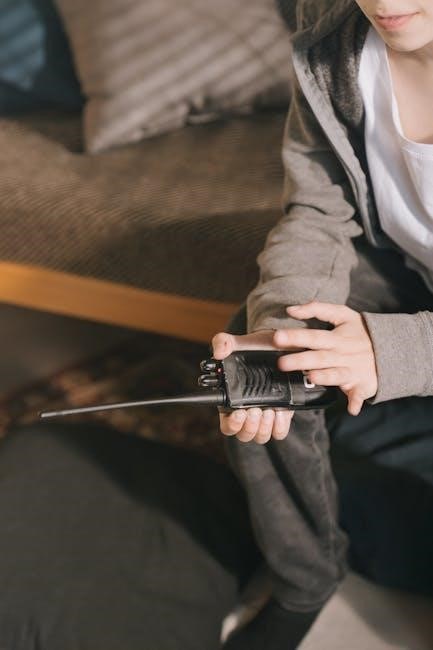
Accessories and Compatibility
Motorola radios support various accessories like headsets and batteries, enhancing usability; Compatibility exists within Motorola’s range, offering seamless communication solutions.
Available Accessories (Headsets, Batteries, etc.)
Motorola offers a comprehensive range of accessories to enhance your two-way radio experience. These include various headsets – from lightweight single-ear options for discreet communication to rugged, noise-canceling models ideal for high-noise environments. Extended-capacity batteries are available, providing significantly longer operating times for extended shifts or remote operations.
Charging solutions, such as multi-unit chargers and rapid chargers, streamline battery management. Protective carrying cases safeguard your radio from damage during transport and use. Additionally, specialized antennas can improve range and signal clarity. Motorola also provides speaker microphones for hands-free operation and improved audio quality, catering to diverse user needs and operational requirements.
Compatibility with Other Motorola Radios
Motorola two-way radios are designed with interoperability in mind, though compatibility varies significantly based on radio type and frequency. Digital Mobile Radio (DMR) radios generally offer broader compatibility within the DMR standard, allowing communication with other DMR-compliant radios from various manufacturers. Analog radios, however, require matching frequency and coding systems (CTCSS/DCS) for successful communication.
It’s crucial to verify compatibility before attempting to communicate with other radios. Factors like frequency bands, power levels, and encryption settings must align. Motorola provides resources and tools to assist in determining compatibility, ensuring seamless communication across your radio fleet.
Warranty Information
Motorola radios come with warranty coverage, details of which are available on the official moto store website, ensuring product reliability and customer satisfaction.
Warranty Coverage Details
Motorola two-way radio warranties typically cover defects in materials and workmanship for a specified period, often one year from the date of purchase. This coverage ensures your device functions as intended under normal use. The warranty doesn’t cover damage from misuse, accidents, modifications, or unauthorized repairs.
Specifically, Motorola’s commitment to durability is reflected in standards like MIL-STD-810H, but this doesn’t automatically extend the warranty. To claim warranty service, proof of purchase is required, and you’ll likely need to contact Motorola’s customer support or visit an authorized service center. Detailed terms and conditions are available on the official moto store website, outlining specific exclusions and procedures.
How to Claim Warranty
To initiate a warranty claim for your Motorola two-way radio, first gather your proof of purchase – a receipt or invoice – and the radio’s model number. Contact Motorola customer support through their official website (moto store) or phone number. They will provide a Return Merchandise Authorization (RMA) number and instructions for shipping.
Ensure the radio is securely packaged to prevent further damage during transit. Warranty service typically involves inspection and repair or replacement at Motorola’s discretion. Remember to review the warranty terms on the moto store site for specific exclusions and potential shipping costs. Following these steps ensures a smooth warranty process.