motorola 2 way radio user manual

Motorola two-way radios offer reliable communication, featuring durable designs like IP68/IP69 and MIL-STD-810H standards. They integrate AI features and offer enhanced performance.

What are Two-Way Radios?

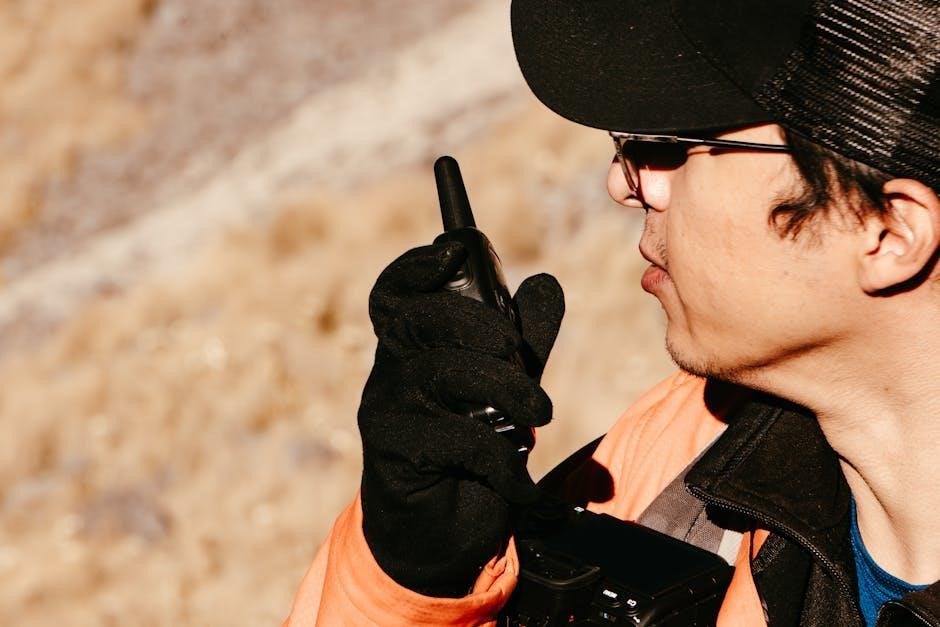
Two-way radios, also known as walkie-talkies, are handheld devices for direct voice communication. Unlike cell phones, they connect directly to each other without needing a cellular network, making them ideal for areas with limited or no coverage. Motorola’s models, boasting features like a 6.2-inch foldable display and Corning Gorilla Glass 7, exemplify this technology.

These radios utilize radio frequencies to transmit and receive signals, offering instant communication. They are commonly used in various settings, including construction sites, security teams, and outdoor adventures, providing a reliable and efficient means of staying connected. Motorola’s commitment to durability, with IP68/IP69 and MIL-STD-810H compliance, ensures performance in challenging environments.

Benefits of Using Motorola Two-Way Radios

Motorola two-way radios deliver numerous advantages, including instant communication without relying on cellular networks – crucial in remote areas. Their robust construction, featuring IP68/IP69 and MIL-STD-810H standards, ensures durability in harsh conditions. The integration of AI, like Gemini for searches, enhances usability.

Beyond reliability, these radios offer cost-effectiveness compared to ongoing cellular plans. Features like VOX operation and scanning channels improve efficiency. Motorola’s razr models, with their foldable design and 50MP AI cameras, demonstrate innovation. They provide a secure and direct communication channel, vital for coordinated teamwork and safety.

Understanding Your Motorola Radio Model

Motorola radios, like the razr 5G, boast 6;2-inch displays and durable builds (Gorilla Glass 7, IP68/IP69). Identifying your specific model unlocks its features.

Identifying Your Specific Model

Locating your Motorola two-way radio’s model number is crucial for accessing the correct user manual and support resources. The model identifier is typically found on a label affixed to the radio’s chassis. Check the back, bottom, or inside the battery compartment.

It’s often a combination of letters and numbers, such as “razr 5G”. This unique code distinguishes your radio from others in the Motorola lineup. Knowing this allows you to download specific programming software, understand its features – including AI integration – and ensure compatibility with accessories. Referencing the FCC ID can also help pinpoint your exact model.

Key Features and Specifications

Motorola two-way radios boast impressive durability, often meeting MIL-STD-810H standards for shock and vibration resistance, alongside IP68/IP69 ratings for water and dust protection. Many models feature large displays – like the 6.2-inch screen on the razr 5G – and foldable designs for portability.

Advanced features include AI-powered functionalities, such as Gemini integration for information retrieval and personalized playlists. Camera systems often exceed 50MP, delivering high-resolution images. Corning Gorilla Glass 7 provides enhanced screen protection, and some models support wet-finger operation.

Getting Started: Basic Operations

Initial setup involves powering on, adjusting volume controls, and selecting desired channels for communication, utilizing the radio’s intuitive interface for ease of use.

Powering On and Off

To power on your Motorola two-way radio, locate the power button – typically a rotary knob or a dedicated button – and turn it clockwise or press it firmly. A brief tone or visual indicator on the display confirms activation. Ensure a fully charged battery for optimal performance, as low battery levels can affect transmission range and clarity.

For powering off, reverse the process; turn the rotary knob counter-clockwise to the off position or press and hold the power button until the radio shuts down. Always power off the radio when not in use to conserve battery life and prevent accidental transmissions. Some models feature an auto-power off function for extended battery savings.

Adjusting Volume

Controlling the audio volume on your Motorola two-way radio is crucial for clear communication. Most models feature a dedicated volume control knob or up/down buttons. Rotating the knob clockwise increases the volume, while counter-clockwise decreases it. Digital models utilize buttons for incremental adjustments.

Begin with a low volume and gradually increase it until the audio is comfortably audible. Be mindful of your surroundings and avoid excessively loud volumes that could disturb others or damage your hearing. Some radios also offer volume level indicators on the display for precise control. Ensure optimal clarity in noisy environments.

Channel Selection

Selecting the correct channel is vital for communicating with the intended group. Motorola radios typically offer channel selection via a rotary knob or up/down buttons. Some models feature pre-programmed channels, while others allow manual frequency input. Refer to your radio’s frequency list to identify the appropriate channel for your activity.

Ensure all radios in your group are tuned to the same channel for successful communication. Digital radios may offer channel names for easier identification. Avoid transmitting on channels used by emergency services or other critical communications. Proper channel selection minimizes interference and ensures clear, reliable connectivity.

Advanced Features and Functions

Motorola radios boast features like scanning, VOX operation, monitor mode, and squelch control, enhancing usability and communication clarity in diverse environments.

Scanning Channels

Channel scanning allows your Motorola radio to automatically search for active conversations across programmed channels. This feature is incredibly useful for monitoring multiple frequencies without manually switching between them. To initiate a scan, typically you’ll press a dedicated ‘Scan’ button on the radio.

The radio will briefly pause on each active channel, allowing you to hear the transmission. If no activity is detected on a channel after a set period, it will move on to the next. You can often adjust the scan list to include or exclude specific channels, tailoring the scan to your needs. Remember to prioritize safety and be aware of your surroundings while scanning.

VOX (Voice Operated Exchange) Operation

VOX functionality enables hands-free communication by automatically transmitting when your radio detects your voice. This is particularly useful when your hands are occupied. To activate VOX, you’ll generally need to access the radio’s menu settings and enable the VOX feature.

Sensitivity levels are adjustable; higher sensitivity triggers transmission with quieter sounds, while lower sensitivity requires a louder voice. Proper adjustment prevents accidental transmissions from background noise. Ensure a clear understanding of VOX operation to avoid unintended broadcasts and maintain efficient communication during operations.

Monitor Mode

Monitor Mode allows you to listen for weak or distant signals on the current channel, bypassing the squelch circuit. This feature is invaluable for checking channel activity or attempting to receive faint transmissions. To activate Monitor Mode, typically a dedicated button or menu option is utilized.

While in Monitor Mode, you’ll hear channel noise even when no signal is present. Be mindful of this, and release the monitor button when a clear signal is received. It’s a useful diagnostic tool, but prolonged use can drain battery life and expose you to unwanted noise.

Squelch Control

Squelch control eliminates weak, unwanted background noise when no signal is being received. Adjusting the squelch level determines the signal strength required to break the silence. Lower squelch settings allow weaker signals to be heard, but also increase noise. Higher settings reduce noise but may block faint transmissions.

Most Motorola radios offer adjustable squelch levels, often accessed through a menu or dedicated knob. Experiment to find a balance between clear communication and minimal background noise. Proper squelch adjustment significantly improves audio clarity and reduces listener fatigue during extended use;

Programming and Customization

Motorola radios support programming via software, enabling channel adjustments and personalized settings for optimized communication and tailored user experiences.

Using Programming Software

Motorola’s programming software is crucial for customizing your radio’s functionality. This software, often available for download from Motorola’s official website or through authorized dealers, allows you to configure channels, set scan lists, and adjust various radio settings. Connecting your radio to a computer typically requires a programming cable, specific to your radio model.

The software interface usually presents a channel list where you can assign frequencies, names, and other parameters. Careful attention to frequency allocation and licensing regulations is essential during programming. Regularly backing up your radio’s configuration file is recommended to prevent data loss and facilitate quick restoration if needed. Always refer to your radio’s specific programming guide for detailed instructions.

Channel Programming

Channel programming involves assigning specific frequencies to each channel on your Motorola two-way radio. Using the programming software, you can input the desired frequency for each channel, ensuring it aligns with your operational needs and local regulations. It’s vital to verify frequency availability and obtain necessary licenses before programming.

You can also define channel names for easy identification, like “Security,” or “Maintenance.” Consider creating scan lists to monitor multiple channels sequentially. Proper channel programming optimizes communication efficiency and avoids interference. Always double-check your entries before saving the configuration to the radio.

Setting Up Channel Names

Setting up channel names enhances usability by providing descriptive labels for each programmed frequency. Through the programming software, you can assign custom names like “Dispatch,” “Emergency,” or “Team A” to each channel. This eliminates confusion and allows for quick channel selection during operation.

Clear and concise channel names improve communication efficiency, especially in busy environments. Consider using a consistent naming convention across all radios within your organization. Regularly review and update channel names to reflect changes in operational procedures or personnel assignments. This simple step significantly improves workflow.

Troubleshooting Common Issues

Addressing common problems like power failures, poor audio, or interference is crucial for maintaining reliable communication. Durable designs aid resilience.

Radio Not Powering On

If your Motorola two-way radio fails to power on, begin by verifying the battery is correctly installed and fully charged. Ensure the battery contacts are clean and free from corrosion. Attempt charging the battery using a compatible Motorola charger; a different charger might not function correctly.

If charging doesn’t resolve the issue, test with a known working battery, if available. Inspect the power button for any physical damage or obstruction. Motorola radios boast robust designs (IP68/IP69, MIL-STD-810H), but physical damage can occur. If none of these steps work, the radio may require professional repair or battery replacement.

Poor Audio Quality

Experiencing poor audio quality on your Motorola two-way radio? First, check the volume level and ensure it’s appropriately adjusted. Verify the correct channel is selected, as interference can occur on busy frequencies. Confirm the squelch level isn’t set too high, blocking weak signals.

Consider the environment; obstructions can degrade signal strength. Motorola radios offer durability (IP68/IP69, MIL-STD-810H), but aren’t immune to signal issues. If using a headset, ensure it’s properly connected and functioning. If the problem persists, try a different channel or relocate to an area with better reception.

Interference Problems

Encountering interference with your Motorola two-way radio? This often stems from other radio transmissions on the same frequency. Try switching to a different channel – a clear channel will significantly improve communication. Adjust the squelch control; a higher setting filters out weaker signals, potentially reducing interference, but also limiting range.

Environmental factors can also contribute. Buildings and terrain can reflect signals, causing distortion. Motorola’s durable radios (IP68/IP69, MIL-STD-810H) withstand harsh conditions, but can’t eliminate all interference. Ensure your antenna is properly connected and undamaged for optimal performance.

Safety and Regulatory Information

Motorola radios adhere to RF exposure guidelines and feature robust designs (MIL-STD-810H, IP68/IP69). Always prioritize battery safety and FCC compliance for responsible use.

RF Exposure Guidelines

Motorola two-way radios are designed to comply with established radio frequency (RF) exposure limits. These limits are set by government regulatory bodies to ensure the safety of users. To maintain compliance and minimize exposure, always operate the radio with the antenna fully extended.

Avoid holding the radio directly to your face when transmitting. Utilize a headset or earpiece for prolonged use. Maintain a safe distance from other individuals during transmission, as RF energy levels may exceed recommended limits in close proximity. Regularly review the detailed safety information provided in the accompanying documentation for specific model guidelines and best practices.

Battery Safety

Always use Motorola-approved batteries and chargers designed specifically for your two-way radio model. Improper battery usage can pose a safety risk, including overheating, fire, or leakage. Never disassemble, modify, or attempt to repair the battery pack.

Avoid exposing batteries to extreme temperatures or direct sunlight for extended periods. When storing batteries, keep them in a cool, dry place. Dispose of used batteries responsibly, following local regulations for battery recycling. Do not short-circuit the battery terminals, and refrain from throwing batteries into fire.

FCC Compliance

This Motorola two-way radio complies with Part 15 of the FCC Rules. Operation is subject to the following two conditions: (1) This device may not cause harmful interference, and (2) this device must accept any interference received, including interference that may cause undesired operation.

Changes or modifications not expressly approved by Motorola could void the user’s authority to operate the equipment. This radio has been tested and found to comply with the limits for a Class B digital device, ensuring reasonable protection against harmful interference in a residential installation.

Maintaining Your Motorola Two-Way Radio

Regular care extends radio life. Clean with a damp cloth, store properly, and maintain the antenna for optimal performance and durability, like IP68/IP69 standards.

Battery Care and Charging

Maximizing battery life is crucial for reliable operation. Motorola recommends using only Motorola-approved chargers to prevent damage and ensure optimal charging. Avoid overcharging, as it can reduce battery capacity over time. When storing radios for extended periods, charge the battery fully, then discharge it partially before long-term storage.

Temperature significantly impacts battery performance; extreme heat or cold can diminish capacity. Lithium-ion batteries, common in newer models, don’t suffer from “memory effect” like older nickel-cadmium batteries, so full discharge cycles aren’t necessary. Always follow the specific charging instructions detailed in your radio’s user manual for the best results and safety precautions.

Cleaning and Storage

Regular cleaning maintains radio reliability and hygiene. Use a damp cloth with mild soap and water to wipe down the radio’s exterior, avoiding harsh chemicals or solvents. Ensure the radio is powered off before cleaning. Pay attention to crevices where dirt can accumulate.

For storage, keep the radio in a dry, dust-free environment, ideally within its original packaging or a protective case. Avoid exposing the radio to extreme temperatures or direct sunlight. Remove the battery if storing for prolonged periods to prevent corrosion. Proper storage extends the radio’s lifespan and ensures it’s ready when needed.

Antenna Maintenance

The antenna is crucial for optimal radio performance. Regularly inspect the antenna for any signs of damage, such as bends, cracks, or corrosion. A damaged antenna significantly reduces range and clarity. Ensure the antenna connection is secure; a loose connection can cause interference.

Avoid forcibly bending or twisting the antenna. Clean the antenna with a soft, dry cloth to remove dirt and debris. Do not use abrasive cleaners. If the antenna is detachable, periodically check and tighten the connection. Proper antenna maintenance ensures reliable communication and maximizes the radio’s effective range.

Accessories and Compatibility

Motorola radios support various accessories like headsets and batteries, enhancing usability; Compatibility exists within Motorola’s range, offering seamless communication solutions.

Available Accessories (Headsets, Batteries, etc.)

Motorola offers a comprehensive range of accessories to enhance your two-way radio experience. These include various headsets – from lightweight single-ear options for discreet communication to rugged, noise-canceling models ideal for high-noise environments. Extended-capacity batteries are available, providing significantly longer operating times for extended shifts or remote operations.

Charging solutions, such as multi-unit chargers and rapid chargers, streamline battery management. Protective carrying cases safeguard your radio from damage during transport and use. Additionally, specialized antennas can improve range and signal clarity. Motorola also provides speaker microphones for hands-free operation and improved audio quality, catering to diverse user needs and operational requirements.

Compatibility with Other Motorola Radios

Motorola two-way radios are designed with interoperability in mind, though compatibility varies significantly based on radio type and frequency. Digital Mobile Radio (DMR) radios generally offer broader compatibility within the DMR standard, allowing communication with other DMR-compliant radios from various manufacturers. Analog radios, however, require matching frequency and coding systems (CTCSS/DCS) for successful communication.

It’s crucial to verify compatibility before attempting to communicate with other radios. Factors like frequency bands, power levels, and encryption settings must align. Motorola provides resources and tools to assist in determining compatibility, ensuring seamless communication across your radio fleet.

Warranty Information

Motorola radios come with warranty coverage, details of which are available on the official moto store website, ensuring product reliability and customer satisfaction.

Warranty Coverage Details

Motorola two-way radio warranties typically cover defects in materials and workmanship for a specified period, often one year from the date of purchase. This coverage ensures your device functions as intended under normal use. The warranty doesn’t cover damage from misuse, accidents, modifications, or unauthorized repairs.

Specifically, Motorola’s commitment to durability is reflected in standards like MIL-STD-810H, but this doesn’t automatically extend the warranty. To claim warranty service, proof of purchase is required, and you’ll likely need to contact Motorola’s customer support or visit an authorized service center. Detailed terms and conditions are available on the official moto store website, outlining specific exclusions and procedures.

How to Claim Warranty

To initiate a warranty claim for your Motorola two-way radio, first gather your proof of purchase – a receipt or invoice – and the radio’s model number. Contact Motorola customer support through their official website (moto store) or phone number. They will provide a Return Merchandise Authorization (RMA) number and instructions for shipping.

Ensure the radio is securely packaged to prevent further damage during transit. Warranty service typically involves inspection and repair or replacement at Motorola’s discretion. Remember to review the warranty terms on the moto store site for specific exclusions and potential shipping costs. Following these steps ensures a smooth warranty process.

viper remote car starter instructions

Viper Remote Car Starter Instructions: A Comprehensive Guide

This manual details the installation, operation, and maintenance of your Viper DS4 system, offering convenience and vehicle protection through advanced remote start and security features.

Understanding Your Viper DS4 System

The Viper DS4 is a Bluetooth Digital Remote Start System Module designed to seamlessly integrate with your vehicle’s electronics. It provides remote start functionality, enhanced security features, and convenient control via your smartphone. This system utilizes a sophisticated interface, often requiring an iDatalink BLADE for optimal compatibility, especially with modern vehicles.

Understanding the DS4’s capabilities – including remote start, panic mode, and door lock/unlock functions – is crucial for maximizing its benefits. The system’s programming allows customization of features like trunk release and alarm sensitivity. Proper configuration ensures the alarm doesn’t trigger unintentionally, such as when opening the trunk. Familiarizing yourself with the remote control button functions and advanced features like valet and timer modes will unlock the full potential of your Viper DS4 system.

Key Features and Benefits

The Viper DS4 system delivers a range of impressive features, starting with convenient remote start capability, allowing you to pre-heat or pre-cool your vehicle from a distance. Enhanced security features, including a panic alarm and customizable sensors, provide peace of mind. Bluetooth connectivity enables smartphone control, expanding the system’s functionality and range.

Benefits include increased comfort, especially in extreme weather conditions, and improved vehicle security against theft and vandalism. The DS4’s programmable features, like trunk release and alarm sensitivity adjustment, allow for a tailored user experience. Advanced modes, such as valet and timer, offer additional control and convenience. Ultimately, the Viper DS4 provides a sophisticated and reliable solution for vehicle security and comfort.

System Components Overview

The Viper DS4 system comprises several key components working in harmony. The DS4 module itself is the central processing unit, integrating remote start and security functions. A digital remote control, often with extended range, facilitates system operation. A crucial element is the iDatalink BLADE, which bypasses the vehicle’s factory security system, enabling seamless integration.

Wiring harnesses connect the DS4 module to the vehicle’s electrical system, controlling features like ignition, door locks, and trunk release. Sensors, including a proximity sensor for door locks, enhance security. The system may also include a hood pin switch and a siren for audible alerts. Proper installation ensures all components function correctly, delivering the full range of features and benefits offered by the Viper DS4.

Installation Considerations

Professional installation is highly recommended to ensure proper functionality and avoid potential vehicle electrical system issues when integrating the Viper DS4 system.

Professional Installation Recommended

While experienced DIY enthusiasts might attempt installation, professional installation by a certified technician is strongly advised for your Viper DS4 system. Incorrect wiring can lead to vehicle malfunction, system failure, or even void your warranty. A skilled installer possesses the necessary tools, knowledge of vehicle-specific wiring, and expertise in integrating the system seamlessly.

They will ensure proper connections, including the crucial iDatalink BLADE integration (if applicable), and thoroughly test all functions – remote start, alarm, door locks, and trunk release – to guarantee optimal performance. Professional installation minimizes risks and maximizes the benefits of your Viper system, providing peace of mind and reliable operation for years to come. Don’t compromise your vehicle’s safety and functionality; choose a qualified installer.

iDatalink BLADE Integration

For many modern vehicles, particularly those with complex data networks, the iDatalink BLADE module is essential for a successful Viper DS4 installation. The BLADE acts as a crucial interface, bridging the gap between the Viper system and your vehicle’s onboard computer. It allows for seamless communication, enabling features like factory door lock control, vehicle status updates, and precise remote start functionality.

Using a BLADE eliminates the need for many traditional wire connections, simplifying the installation process and reducing the risk of errors. It’s particularly important when integrating with vehicles like the 2014 Toyota Corolla S. Ensure your installer utilizes the correct BLADE module for your specific vehicle make and model to guarantee full compatibility and optimal system performance;

DS4 Module Specifics

The Viper DS4 is a Bluetooth Digital Remote Start System Module designed for advanced vehicle integration. It offers a robust feature set, including remote start, security alarm capabilities, and smartphone control via Bluetooth connectivity. Understanding the DS4’s specific functionalities is key to maximizing its potential.

This module requires careful configuration to ensure proper operation with your vehicle. Pay close attention to the wiring harness connections and programming procedures outlined in this guide. The DS4 allows for customization of features like lock/unlock sensor configuration and alarm sensitivity adjustment. Remember, overriding the original design by utilizing specific ignition wires requires expertise and should be done cautiously.

Wiring Harness Connections

Proper wiring harness connections are crucial for a successful Viper DS4 installation. Incorrect connections can lead to system malfunction or vehicle damage. Always refer to the vehicle-specific wiring diagram provided with your iDatalink BLADE (if used) or the DS4 system itself.

Carefully identify each wire before making any connections, paying close attention to color coding and function. Ensure all connections are secure and insulated to prevent shorts. When utilizing the (-) ignition and start wires, double-check polarity and confirm compatibility. Remember to configure the system to prevent the alarm from triggering when the trunk is opened. A professional installer can ensure these connections are made correctly and safely.

Programming and Configuration

Configure your Viper DS4 via Bluetooth pairing, adjusting lock/unlock sensors, trunk release, and alarm sensitivity for optimal performance and personalized vehicle security.

Bluetooth Pairing Process

Establishing a secure Bluetooth connection is crucial for utilizing the full functionality of your Viper DS4 system. Begin by downloading the Viper SmartStart mobile application from your device’s app store. Once installed, create an account or log in if you already have one. Ensure your vehicle’s ignition is in the “on” position, but the engine is off. Within the SmartStart app, select “Add Vehicle” and follow the on-screen prompts.

The system will guide you through a verification process, potentially requiring you to enter your vehicle’s information and the Viper system’s serial number. Once verified, the app will search for your DS4 module. Upon discovery, initiate the pairing process. You may be prompted to enter a PIN code displayed on your vehicle or within the app. Successful pairing will grant you remote control access via your smartphone, enabling features like remote start, lock/unlock, and status updates.

Lock/Unlock Sensor Configuration

Proper lock/unlock sensor configuration is vital for seamless operation of your Viper DS4 system, especially with features like remote start and security. The system relies on detecting your vehicle’s door lock/unlock signals. During installation, the installer must correctly connect the lock and unlock wires to the appropriate circuits in your vehicle.

Post-installation, verify the system accurately recognizes door lock/unlock events. Use the programming menu within the SmartStart app or through the system’s manual programming sequence to confirm correct sensor detection. Incorrect configuration can lead to issues like unintended remote starts or false alarm triggers. If the system doesn’t respond correctly, consult your installer to re-check the wiring and sensor settings. Accurate sensor configuration ensures reliable and safe operation.

Trunk Release Configuration

Configuring the trunk release function on your Viper DS4 system requires careful attention to prevent unintended activations and alarm triggers. Your installer must connect the trunk release wire to the vehicle’s trunk release solenoid circuit. It’s crucial to ensure the alarm system doesn’t interpret a trunk opening as a security breach.

During setup, the installer should program the system to ignore the trunk pin switch when the remote start is active. This prevents the alarm from sounding when you remotely open the trunk. Test the trunk release functionality thoroughly after installation, using both the remote and the vehicle’s factory trunk release. If the alarm activates upon trunk opening, revisit the programming settings or consult a professional for assistance. Proper configuration guarantees convenient and secure trunk access.

Alarm Sensitivity Adjustment

Adjusting the alarm sensitivity on your Viper DS4 system is vital to minimize false alarms while maintaining effective security. The system features adjustable sensitivity levels for both shock and glass break sensors. Lower sensitivity reduces the likelihood of triggering the alarm from minor vibrations or ambient noise, but may decrease responsiveness to actual threats.

Higher sensitivity increases responsiveness but elevates the risk of false alarms. Your installer can program the system to suit your vehicle’s environment and your preferences. Test the system after adjustment by gently tapping the vehicle and observing the alarm’s reaction. If false alarms persist, gradually decrease the sensitivity. Refer to the owner’s manual for specific programming instructions and recommended sensitivity levels for optimal performance and reliable protection.

Operating Your Viper System

Effectively utilize features like remote start, panic alarm, door lock/unlock, and trunk release with your Viper DS4, enhancing convenience and vehicle security.

Remote Start Operation

Initiating remote start with your Viper DS4 is straightforward. Press the designated remote start button – typically marked with a car icon – to begin the process. The system confirms operation with light flashes and/or audible chirps. Ensure the vehicle meets all safety requirements, like being in Park or Neutral, before attempting remote start.

The duration of remote start can often be adjusted through programming, offering options like factory-set run times or extended periods. Timer mode, when activated, allows for automatic restarts within a defined timeframe, keeping your vehicle comfortably pre-heated or cooled. Remember to always supervise the vehicle during remote start operation, especially in enclosed spaces. Proper configuration and understanding of your system’s features are key to safe and efficient remote starting.

Panic Mode Activation

Activating Panic Mode on your Viper DS4 system is crucial in emergency situations. Typically, this is achieved by pressing and holding the dedicated panic button on your remote control – often symbolized by an exclamation point. Upon activation, the vehicle’s alarm will sound, and the lights will flash, attracting attention and potentially deterring threats.

The alarm will continue sounding for a pre-programmed duration, or until you deactivate it by pressing the panic button again. Ensure you understand the specific duration set for your system. Panic Mode is designed to provide a rapid response to perceived danger, offering peace of mind and a visible deterrent. Familiarize yourself with the activation process to ensure quick access when needed, enhancing your personal safety and vehicle security.

Door Lock/Unlock Functions

Your Viper DS4 system offers convenient door lock and unlock functionality via your remote control. Pressing the lock button will activate the vehicle’s door locks, securing the interior. Conversely, pressing the unlock button will unlock the doors, granting access. The system is designed to work seamlessly with your vehicle’s existing door lock mechanisms, often utilizing the proximity sensor for accurate operation after installation.

Ensure your installer properly configures the system to recognize your vehicle’s lock/unlock signals. Some systems allow for programmable features like double-unlock, where a second press unlocks the trunk. Understanding these functions enhances usability and security. Verify the range of the remote control for reliable operation, and always confirm door lock status visually after remote activation.

Remote Control Button Functions

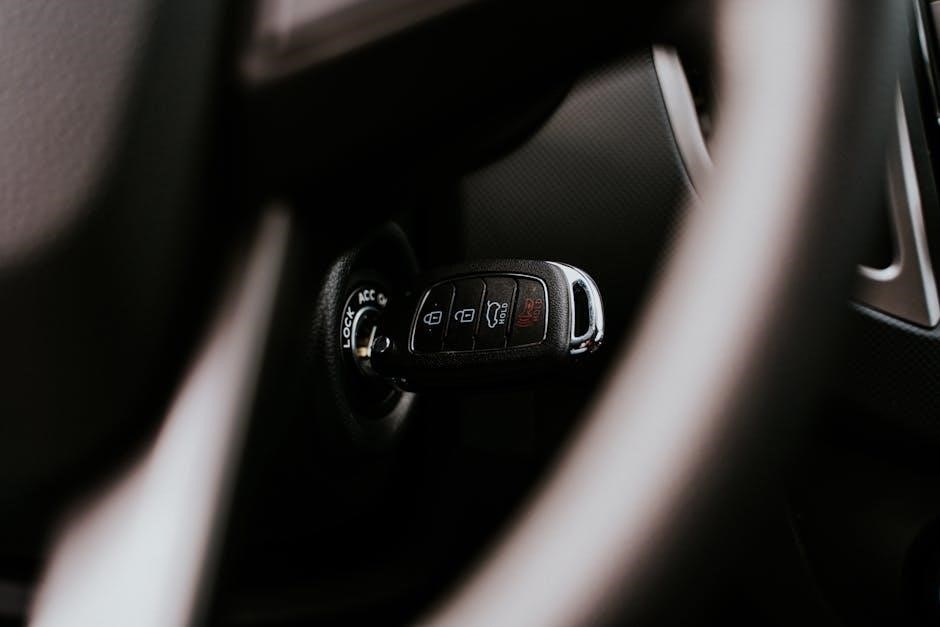
Your Viper DS4 remote control provides access to a range of features. The lock/unlock buttons, as previously described, control the vehicle’s door locking system. The remote start button initiates the remote start sequence, warming or cooling the vehicle before entry. A dedicated panic button activates the vehicle’s alarm, sounding the horn and potentially flashing the lights to deter potential threats.

Additional buttons may control features like trunk release or auxiliary outputs, depending on your system’s configuration. Familiarize yourself with each button’s function to maximize the system’s benefits. The range of the remote control can vary, so test it in different locations. Proper battery maintenance is crucial for reliable operation; replace batteries when indicated to ensure consistent performance.

Advanced Features & Troubleshooting

Explore valet mode, timer mode, and sensor bypass options. This section also provides guidance on resolving common issues for optimal system performance and reliability.

Valet Mode Explained

Valet mode is a crucial security feature designed to temporarily disable the remote start functionality of your Viper DS4 system, while still allowing you to use the security features. This is particularly useful when entrusting your vehicle to a valet parking attendant or a mechanic. When activated, the remote start function is blocked, preventing unauthorized use of the system.

To engage valet mode, typically a specific button combination on your remote control is required – consult your owner’s manual for the precise sequence. The system will usually provide an audible or visual confirmation upon activation. While in valet mode, the alarm system remains fully operational, safeguarding your vehicle against theft. Remember to disengage valet mode upon regaining control of your vehicle to restore full system functionality.

Timer Mode Usage

Timer mode allows for pre-programmed remote starts at set intervals, enhancing convenience and vehicle preparedness. Your Viper DS4 system can be configured to automatically start the engine at specified times, ensuring a comfortably warmed-up or cooled interior. This feature is particularly beneficial in extreme weather conditions, eliminating the need for manual remote starts.

To utilize timer mode, programming is typically done through the Viper smartphone app or via a specific sequence using the control button. You’ll set the desired start times and duration. The system will then execute the remote start according to your programmed schedule. Ensure the vehicle meets all safety requirements (parking brake engaged, in park, etc.) before relying on timer mode. Refer to your owner’s manual for detailed programming instructions.

Sensor Bypass Procedures

Sensor bypass is a crucial feature when a door, hood, or trunk sensor malfunctions, preventing the system from arming. Your Viper DS4 allows temporary bypassing of faulty sensors to maintain security functionality. However, it’s vital to understand this is a temporary solution; the underlying issue needs addressing.

Bypassing typically involves a specific sequence using the system’s control button or through the smartphone app. The owner’s manual details the exact procedure for your DS4 model. Once bypassed, the system will arm despite the sensor’s open circuit. Important: Regularly check and repair the faulty sensor. Prolonged bypass compromises security. Document the bypassed sensor for future maintenance and ensure a qualified technician diagnoses and fixes the root cause promptly.

Addressing Common Issues

Several issues can arise with your Viper DS4 system. A common problem is the remote not responding, often due to a low battery – replace it immediately. If the system doesn’t recognize the remote, re-pair it via the Bluetooth pairing process outlined in the manual. Another frequent concern is the alarm triggering falsely; adjust the sensitivity settings to minimize false alarms caused by environmental factors.

If remote start fails, verify the vehicle’s safety features (parking brake, gear selector) are correctly engaged. Check wiring connections if issues persist. For more complex problems, consult your authorized Directed dealer or contact Directed support at 1-800-753-0600. Online resources and downloadable manuals are also available for self-troubleshooting.

Safety and Maintenance

Regular system resets and understanding battery backup functionality are crucial for optimal performance and longevity of your Viper DS4 remote start system.

System Reset Procedures

Occasionally, your Viper DS4 system may require a reset to restore optimal functionality. A full system reset clears the memory and returns the module to its factory default settings. This is particularly useful if you’re experiencing unusual behavior or after disconnecting the battery. To initiate a reset, consult your specific model’s manual, as procedures can vary.

Generally, this involves disconnecting the vehicle’s battery for a specified duration – typically 30 minutes – and then reconnecting it. Following reconnection, you may need to re-pair your remote and reconfigure certain settings, such as the lock/unlock sensors. Remember to document your custom settings before performing a reset to simplify the reconfiguration process. Always refer to the official Viper documentation for precise instructions tailored to your DS4 module.

Battery Backup Information

Your Viper DS4 system incorporates a battery backup to preserve critical settings, such as personalized configurations and learned data, during temporary power interruptions. This backup ensures that your system retains its functionality even after the vehicle’s battery is disconnected or depleted. The backup is typically powered by a small internal capacitor or battery within the DS4 module itself.

However, the battery backup is not intended for prolonged operation without vehicle power. Extended periods of disconnection can eventually deplete the backup, leading to a loss of settings. It’s recommended to minimize the duration of battery disconnections whenever possible. Regularly check the system’s functionality after any battery-related service to confirm the backup is operating correctly and settings are retained.

Warranty Information & Support

Directed Electronics, the manufacturer of Viper, provides a limited warranty covering defects in materials and workmanship for your DS4 system. The warranty period typically begins from the date of original purchase and varies depending on the specific components. Please retain your proof of purchase for warranty claims.

For warranty service or support, contact your authorized Viper dealer. They can assist with troubleshooting, repairs, and warranty claim processing. Alternatively, you can reach Directed Electronics directly at 1-800-753-0600. Detailed warranty information, terms, and conditions are available on the Directed Electronics website. Online resources, including FAQs and troubleshooting guides, are also accessible to assist you with any questions or concerns regarding your Viper system.

Online Resources & Manuals

Viper offers a wealth of online resources to enhance your experience with your DS4 remote start system. You can download comprehensive user manuals in PDF format directly from the Directed Electronics website. These manuals provide detailed instructions, illustrations, and troubleshooting tips.

The website also features an extensive FAQ section addressing common questions and concerns. Browse online operating guides and owner’s manuals for various Viper remote starters, all available for free download. For additional support, explore the Directed Electronics forums where you can connect with other Viper users and share experiences. Visit the back cover of your manual for the specific URL to access these valuable resources and maximize the functionality of your system.

cosco car seat scenera manual

Cosco Scenera Car Seat Manual: A Comprehensive Guide (Updated 04/07/2026)

Today’s date is 04/07/2026 at 13:55:12. This manual provides a complete guide to your Cosco Scenera‚ ensuring safe and optimal use for your child’s journey.

Welcome to the Cosco Scenera family! This car seat is designed with your child’s safety and your convenience in mind. As of today‚ 04/07/2026‚ the Scenera remains a popular choice for parents seeking a reliable and affordable car seat option.

This manual serves as your comprehensive guide‚ walking you through every aspect of the Scenera‚ from initial setup and installation to daily use and maintenance. We’ll cover everything you need to know to ensure your little one travels securely and comfortably. Prioritizing safety is paramount‚ and this manual will equip you with the knowledge to maximize the Scenera’s protective features. Get ready to embark on countless journeys with peace of mind!

Why Choose the Cosco Scenera? (Affordability & Safety)

The Cosco Scenera strikes a perfect balance between affordability and uncompromising safety. As of 04/07/2026‚ it remains a top pick for budget-conscious families who refuse to compromise on protecting their precious cargo. This car seat meets or exceeds all U.S. safety standards‚ providing reliable protection in the event of a collision.

Beyond safety‚ the Scenera’s lightweight design makes it incredibly convenient for travel and transferring between vehicles. It’s a practical solution for families on the go‚ offering peace of mind without breaking the bank. Choosing the Scenera means choosing a smart‚ safe‚ and sensible option for your child’s car seat needs.

Installation & Setup

Proper installation is crucial for safety. This section details how to correctly install your Cosco Scenera using either the LATCH system or vehicle seat belt method.

Understanding the Scenera’s Weight & Height Limits

Ensuring your child fits within the Scenera’s specifications is paramount for their safety. The Cosco Scenera is designed to accommodate children ranging from 22 to 40 pounds in weight and up to 49 inches in height when used in rear-facing mode.

For forward-facing use‚ the weight range extends from 40 to 50 pounds‚ with a maximum height limit remaining at 49 inches. Always verify your child’s weight and height before each use to confirm they haven’t exceeded the car seat’s limits. Exceeding these limits compromises the seat’s protective capabilities. Regularly check your child’s growth and adjust the car seat accordingly‚ or transition to a larger car seat when necessary. Prioritize safety by adhering to these guidelines.

Installation Methods: LATCH System

The Lower Anchors and Tethers for Children (LATCH) system offers a convenient and secure installation method for your Cosco Scenera. Locate the vehicle’s lower anchors – typically found in the seat bight‚ where the seat back and cushion meet. Connect the Scenera’s lower anchor connectors to these vehicle anchors‚ ensuring a firm click to confirm a secure connection.

Always double-check that both connectors are properly engaged. The Scenera also features a top tether strap for forward-facing installation‚ which should be attached to the vehicle’s designated tether anchor. Proper LATCH installation minimizes movement and maximizes the car seat’s protective performance. Refer to your vehicle’s owner’s manual for specific LATCH anchor locations.

Installation Methods: Vehicle Seat Belt

When LATCH installation isn’t possible or preferred‚ the Cosco Scenera can be securely installed using your vehicle’s seat belt. Route the vehicle’s seat belt through the designated belt path on the car seat‚ as illustrated in the manual’s diagrams. Ensure the seat belt lies flat and isn’t twisted.

To tighten the seat belt‚ push down firmly on the car seat while pulling the shoulder belt to remove any slack. Locking the seat belt is crucial for a secure installation; consult your vehicle’s owner’s manual for the specific locking mechanism. Verify minimal side-to-side and front-to-back movement – less than one inch is ideal.

Proper Recline Angle Adjustment

Achieving the correct recline angle is vital for infant safety‚ ensuring the baby’s airway remains open. The Cosco Scenera features multiple recline positions‚ adjustable via a conveniently located mechanism on the car seat’s base. Refer to the recline indicator stickers on the side of the seat to confirm the appropriate angle for your child’s weight and age.

For newborns‚ a more reclined position is necessary. As the child grows‚ gradually adjust to a more upright position. Always double-check that the recline is securely locked into place before each journey. Incorrect recline can compromise safety‚ so prioritize this step during installation.

Checking Installation Security

Post-installation‚ rigorously check the car seat’s security to guarantee a safe ride for your child. Grasp the car seat near the belt path and attempt to move it side-to-side and front-to-back. If the seat shifts more than one inch in any direction‚ re-tighten the LATCH connectors or vehicle seat belt and repeat the check.

Ensure the vehicle seat belt lies flat and isn’t twisted. For LATCH installations‚ verify the tether straps are taut. A properly installed Scenera will feel firmly anchored to the vehicle. Never begin travel if the seat feels loose. Prioritize this crucial step – a secure installation is paramount for your child’s safety.

Harnessing Your Child

Securely fastening your child is vital. This section details proper harness adjustment‚ buckling procedures‚ tightness checks‚ and correct chest clip placement for optimal safety.

Adjusting the Harness Height

Proper harness height is crucial for your child’s safety and comfort as they grow. The Cosco Scenera car seat features multiple harness height positions to accommodate your little one’s increasing size. To adjust‚ first‚ ensure the child is removed from the seat. Locate the harness adjustment strap at the top of the car seat’s back.

Pull the strap to release the harness‚ then select the appropriate slot based on your child’s shoulder height. The harness straps should be at or slightly below your child’s shoulders when rear-facing‚ and at or above their shoulders when forward-facing. Re-thread the harness straps through the new slots‚ ensuring they click securely into place. Always double-check the harness height before each ride to confirm a snug and secure fit.

Buckling and Unbuckling the Harness

Securing your child correctly is paramount. To buckle the Cosco Scenera harness‚ firmly push the red harness connector ends into the buckle until you hear a distinct “click.” Ensure both sides are securely fastened. To unbuckle‚ press the central red release button on the buckle; both sides will release simultaneously.

Always check that the harness is fully engaged after buckling. A loose or improperly buckled harness offers reduced protection in a crash. Practice buckling and unbuckling the harness before each journey to ensure familiarity and speed. Never allow your child to operate the buckle themselves. Regularly inspect the buckle for damage or debris that could hinder its function.

Harness Tightness: The Pinch Test

Proper harness tightness is crucial for safety. After buckling and adjusting the harness‚ perform the “pinch test” to verify a secure fit. Attempt to pinch the harness webbing at your child’s shoulder. If you can pinch any excess webbing‚ the harness is too loose and needs tightening.

Pull the shoulder strap adjustment strap (located behind the child) to tighten the harness until you can no longer pinch any webbing. Repeat the pinch test at both shoulders to ensure even tightness. A snug fit—where you cannot pinch webbing—restricts forward movement in a crash. Avoid overtightening‚ which can cause discomfort.

Chest Clip Positioning

The chest clip plays a vital role in keeping the harness straps properly positioned on your child’s shoulders. Always ensure the chest clip is positioned at armpit level – this is generally around chest height for most children. Incorrect positioning can compromise the car seat’s protective capabilities during a collision.

Never place the chest clip on the child’s neck or too low on the abdomen. It should comfortably rest across the center of the chest. The chest clip doesn’t tighten or loosen the harness; its purpose is solely to maintain correct strap placement. Regularly check the clip’s position as your child grows.

Features & Adjustments

Explore the Scenera’s adjustable components! This section details headrest adjustments‚ cup holder functionality‚ and proper fabric care for lasting usability and comfort.

Headrest Adjustment

Proper headrest positioning is crucial for your child’s safety and comfort as they grow. The Cosco Scenera features an easily adjustable headrest with multiple height positions. To adjust‚ locate the adjustment strap at the back of the car seat’s headrest.

Pull or release the strap to raise or lower the headrest to the appropriate level. Ensure the headrest sits comfortably above your child’s head‚ preventing their head from tilting forward during travel. The top of the headrest should be at least one inch above the top of your child’s head. Regularly check and readjust the headrest as your child grows to maintain optimal protection and support. A correctly adjusted headrest minimizes head excursion in the event of a collision.

Cup Holder Installation & Use

The Cosco Scenera offers a convenient‚ detachable cup holder for your child’s beverages and small items. To install‚ locate the cup holder slot‚ typically found on the side of the car seat. Align the cup holder’s tabs with the slot and firmly press until it clicks into place. Ensure it’s securely attached before use.

The cup holder is designed to accommodate standard-sized cups and bottles. Avoid placing excessively large or heavy items in the cup holder‚ as this could affect the car seat’s stability. Regularly check the cup holder for cleanliness and remove any spills promptly. To remove‚ press the release buttons (if equipped) and gently pull the cup holder away from the car seat.

Fabric Care & Cleaning

Maintaining a clean Cosco Scenera is crucial for hygiene and longevity. The fabric cover is removable and machine washable – use cold water and a mild detergent on a gentle cycle. Always remove the harness straps before washing and lay flat to dry. Avoid using bleach or harsh chemicals‚ as these can damage the fabric and compromise its safety.

For minor spills and messes‚ spot clean with a damp cloth and mild soap. Ensure the fabric is completely dry before reinstalling it onto the car seat. Regularly vacuuming the car seat will help remove crumbs and debris. Do not submerge the entire car seat in water. Periodic inspection of the fabric for wear and tear is recommended.

Safety Information & Warnings

Prioritize child safety! Always adhere to all warnings and guidelines within this manual to ensure proper installation and usage of your Cosco Scenera car seat.

FAA Approval for Air Travel

Is the Cosco Scenera FAA approved? Yes‚ the Cosco Scenera car seat is generally approved for use on commercial airlines in the United States‚ according to FAA regulations. However‚ it’s crucial to verify this approval before each flight‚ as airline policies can vary.

Always check with your specific airline to confirm their car seat acceptance criteria. The Scenera’s compact design makes it a convenient travel option. When using the car seat on an aircraft‚ ensure it’s securely fastened in its own aircraft seat using the vehicle seat belt.

Important Note: While approved‚ the seat’s functionality might be limited during flight. Always refer to the airline’s specific guidelines regarding car seat usage and placement on the aircraft for a safe journey.

Expiration Date & Seat Replacement

Does the Cosco Scenera car seat expire? Yes‚ all car seats‚ including the Scenera‚ have an expiration date. This isn’t about the seat physically falling apart‚ but rather the plastic degrading over time and potential changes in safety standards.

Typically‚ the Scenera has a lifespan of 6-10 years from the date of manufacture (check the label!). After this period‚ the plastic may become brittle‚ compromising its protective capabilities in a crash.

When to replace: Replace the seat after its expiration date‚ or if it’s been involved in a moderate to severe crash‚ even if there’s no visible damage. Always prioritize your child’s safety by adhering to these guidelines.

Side Impact Protection Features

The Cosco Scenera prioritizes side impact safety through its thoughtfully engineered design. While not boasting advanced side-impact testing like some premium models‚ the Scenera incorporates crucial protective elements.

The seat’s rigid shell construction provides a foundational layer of defense‚ distributing crash forces away from your child. Additionally‚ the energy-absorbing foam within the headrest and seat sides helps to cushion impact.

Proper installation – tightly secured with LATCH or the vehicle seat belt – is critical for maximizing side impact protection. Remember‚ a correctly installed seat significantly enhances the Scenera’s ability to safeguard your little one during a collision.

Rear-Facing vs. Forward-Facing Guidelines

Prioritizing rear-facing is paramount for your child’s safety. The Cosco Scenera allows for extended rear-facing‚ crucial for developing necks and spines. Experts recommend keeping children rear-facing as long as possible‚ until they reach the seat’s height or weight limits – typically around 40 pounds and 40 inches.

Forward-facing should only occur after maximizing rear-facing time. When transitioning‚ ensure the harness straps are at or above your child’s shoulders. Always follow the Scenera’s specific weight and height guidelines for forward-facing mode‚ generally up to 50 pounds.

Never rush the transition; rear-facing offers significantly greater protection in a crash.

Troubleshooting Common Issues

Encountering difficulties? This section addresses frequent concerns with your Cosco Scenera‚ offering solutions for harness tangles‚ installation problems‚ and cleaning tips.

Harness Strap Tangling

Dealing with twisted straps? A common frustration with car seats is harness strap tangling. To prevent this‚ ensure the straps are fully extended before buckling your child in. If tangling occurs‚ completely loosen all harness straps – both shoulder and crotch – before attempting to untwist them.

Avoid pulling forcefully‚ as this can damage the webbing. Gently work the straps free‚ starting from the buckle end. Regularly inspect the straps for any twists or knots‚ especially after frequent use or adjustments. Keeping the harness clean and free of debris also minimizes tangling. Remember‚ a properly untangled harness is crucial for a secure and safe fit for your little one during every ride.

Difficulty Installing with LATCH

Struggling with the LATCH connectors? If you encounter difficulty securing the Scenera using the LATCH system‚ first confirm your vehicle’s LATCH anchors are accessible and not obstructed. Ensure the car seat’s LATCH connectors are fully engaged around the vehicle anchor bars – you should hear a distinct click.

If still facing issues‚ try adjusting the vehicle’s seat position slightly to gain better access. Avoid forcing the connection; gentle maneuvering is key. Some vehicles have deeply recessed anchors‚ requiring extra effort. If persistent problems occur‚ consult your vehicle’s owner’s manual or consider installation using the vehicle seat belt method as a reliable alternative.

Seat Feels Loose After Installation

Is your Scenera shifting after installation? A perceived looseness is common‚ but excessive movement is unsafe. First‚ re-check the installation method – LATCH or seat belt – ensuring all steps were followed correctly. Firmly push down on the seat near the belt path while simultaneously pulling upward on the belt to eliminate slack.

If using LATCH‚ confirm both connectors are securely attached and equally tightened. With the seat belt‚ ensure it’s locked by the vehicle’s locking mechanism. A small amount of side-to-side movement (less than one inch) is generally acceptable‚ but any forward movement exceeding this limit requires re-installation. Prioritize a snug and secure fit for optimal safety.

Cleaning Stains from the Fabric

Accidents happen! Keeping your Scenera clean is essential. For minor spills and stains‚ use a damp cloth with mild soap and water. Gently blot the affected area – avoid harsh scrubbing which can damage the fabric. For tougher stains‚ consult Cosco’s website for recommended cleaning solutions specifically safe for car seat materials.

Important: Always ensure the fabric is completely dry before reinstalling the car seat. Never use bleach or strong chemical cleaners‚ as these can compromise the integrity of the materials and potentially affect safety. Removable covers‚ if your model has them‚ can often be machine washed on a delicate cycle – check the care label first!

Cosco Scenera Model Variations

Discover the differences! The Scenera Next and original Scenera offer slight variations; identifying your model year ensures access to the correct manual and features.

Scenera Next vs. Original Scenera

Understanding the Evolution: The Cosco Scenera Next represents an updated iteration of the original‚ highly-regarded Scenera car seat. While both models prioritize affordability and safety‚ key distinctions exist. The Scenera Next generally features enhanced padding for increased comfort‚ particularly around the headrest and body. You might also notice subtle differences in the fabric design and harness buckle mechanism – the Next often incorporates a more streamlined buckle.

Weight limits remain largely consistent between the two‚ accommodating children from 22 to 40 pounds rear-facing and up to 65 pounds forward-facing. However‚ always consult the specific manual for your model year to confirm exact specifications. Importantly‚ both versions meet or exceed all applicable safety standards. Determining which model you have is crucial for accessing the correct installation instructions and feature explanations.

Identifying Your Scenera Model Year

Locating the Manufacture Date: Determining your Cosco Scenera’s model year is vital for accessing the correct manual and safety updates. The manufacture date is typically found on a label affixed to the car seat’s base‚ often near the LATCH connectors or under the seat cover. Look for a date stamp indicating the month‚ day‚ and year of production (MM/DD/YYYY).

This date isn’t always explicitly labeled as “Manufacture Date‚” so carefully examine all labels. Comparing the date to known release timelines for the Scenera Next versus the original Scenera will help pinpoint the model year. Cosco frequently makes minor revisions‚ so even seats from the same year might have slight variations. If you’re unsure‚ contacting Cosco customer service with the date stamp is the most reliable method for accurate identification.

Accessing Specific Model Manuals Online

Digital Resources for Your Scenera: Cosco provides a comprehensive online resource for accessing car seat manuals. Visit the official Cosco website and navigate to the “Support” or “Manuals” section. You can typically search by model name (Scenera Next‚ Original Scenera) or input the manufacture date found on your car seat’s label.

This ensures you download the manual specifically tailored to your model year‚ accounting for any revisions or updates. Many third-party websites also archive older manuals‚ but always prioritize the official Cosco website for accuracy. Downloadable PDFs are generally available‚ allowing you to save a copy to your device for easy access. Regularly check for updates‚ as safety standards and instructions can evolve.

Resources & Support

Need assistance? Cosco offers dedicated customer service‚ online manuals‚ frequently asked questions‚ and a simple registration process for your Scenera car seat.

Cosco Customer Service Contact Information

For direct assistance with your Cosco Scenera car seat‚ our dedicated customer support team is readily available to address your questions and concerns. You can reach us via phone at 1-800-COSCO-4U (1-800-267-2648) during regular business hours‚ Monday through Friday‚ 9:00 AM to 5:00 PM Eastern Time.

Alternatively‚ you can submit inquiries through our online contact form‚ conveniently located on the Cosco website at https://www.coscojuvenile.com/support. Please have your model number and date of manufacture available when contacting support to expedite the assistance process. We are committed to ensuring your child’s safety and your peace of mind.

Online Manual Downloads & FAQs

Accessing your Cosco Scenera car seat manual is simple and convenient through our official website. Visit https://www.coscojuvenile.com/manuals to download the most up-to-date version‚ specific to your model year. We offer manuals in multiple formats for easy viewing and printing.

Beyond the full manual‚ explore our extensive Frequently Asked Questions (FAQs) section. This resource addresses common concerns regarding installation‚ usage‚ cleaning‚ and safety features. The FAQ section is regularly updated to provide the most accurate and helpful information. If you can’t find the answer you need‚ don’t hesitate to contact our customer support team for personalized assistance.

Registering Your Car Seat

Registering your Cosco Scenera car seat is a crucial step in ensuring your child’s safety and staying informed about important updates. Registration allows Cosco to directly notify you of any recalls‚ safety notices‚ or modifications affecting your specific model.

The registration process is quick and easy! Simply visit our website at https://www.coscojuvenile.com/register and complete the online form. You’ll need your car seat’s model number and manufacturing date‚ which can be found on a label affixed to the seat itself. By registering‚ you demonstrate your commitment to child passenger safety and help us maintain a safer community for all.