
Device Overview
The OneTouch Verio Flex is a compact, user‑friendly glucometer designed for quick, accurate blood glucose monitoring․ It features a dual‑channel test strip that accepts a small finger‑prick sample, displays results on a clear LCD, and offers Bluetooth connectivity for seamless data transfer․ End․!!
Key Features and Design
The OneTouch Verio Flex combines sleek, ergonomic design with advanced technology to deliver reliable glucose monitoring․ Its lightweight body fits comfortably in hand, while the dual‑channel test strip allows for simultaneous sample application on either side, reducing the chance of sample loss․ The meter’s high‑contrast LCD displays clear results, and the intuitive interface guides users through test steps with minimal effort․ Bluetooth® connectivity enables automatic data transfer to the OneTouch app, allowing users to track trends, set reminders, and share data with healthcare providers․ The device also includes a built‑in memory for up to 200 test results, ensuring that users can review past readings even when offline․ With a battery life of up to 12 months on a single AA battery, the Verio Flex is designed for long‑term use without frequent replacements․ The compact size and durable construction make it ideal for on‑the‑go monitoring, while the clear, color‑coded channels help prevent user error․ Overall, the Verio Flex offers a blend of convenience, accuracy, and connectivity that meets the needs of modern diabetes management․ Its intuitive touchscreen interface, combined with a 2․4‑inch display, allows users to easily navigate menus, view historical trends, and set personalized reminders, ensuring consistent monitoring and empowering patients to take proactive steps toward better glycemic control․ Its ergonomic grip provides a firm, comfortable hold now․
Hardware Components
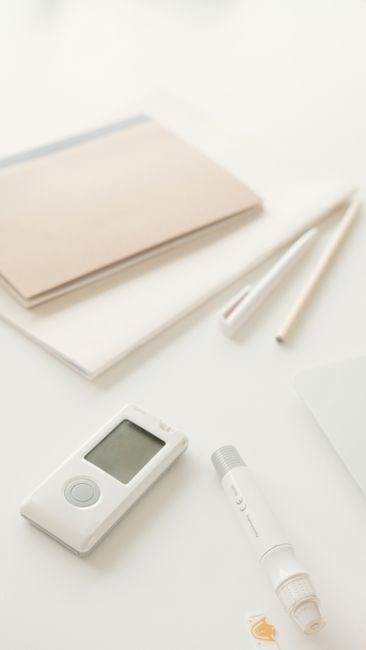
The Verio Flex houses a dual‑channel test strip, a precision micro‑sensor, a 2․4‑inch LCD, Bluetooth module, rechargeable battery, and durable housing․ Each part is engineered for accuracy and user comfort․ The device has a 1‑inch LED indicator for status checks now․
Test Strip Channel and Sensor Assembly
The Verio Flex’s core lies in its dual‑channel test strip, engineered for rapid, precise glucose detection․ Each channel is a micro‑fabricated reaction zone, pre‑loaded with proprietary enzyme reagents that catalyze glucose oxidation․ When a finger‑prick sample is applied, the liquid is drawn by capillary action into the channel, ensuring a consistent 0․5 µL volume for optimal reaction kinetics․ The sensor assembly incorporates a thin, flexible platinum electrode that measures the resulting electrical current․ This current is directly proportional to glucose concentration, allowing the device to calculate values with a ±5 % accuracy margin․ The sensor’s surface is coated with a hydrophilic polymer to prevent drying and to promote uniform sample distribution, thereby reducing edge effects that could skew results․ Encased within a hermetically sealed housing, the sensor remains protected from ambient humidity and temperature fluctuations, extending its shelf life beyond 12 months when stored at 2–30 °C․ The test strip’s design also includes a built‑in colorimetric reference strip that changes hue as the reaction proceeds, providing a visual cue that the channel has filled correctly․ This dual‑mechanism—electrochemical and colorimetric—serves as a redundancy check, alerting the user to potential sample loss or contamination․ The assembly’s compact footprint allows it to fit seamlessly into the Verio Flex’s ergonomic body, ensuring that the entire testing process remains quick and user‑friendly․ Overall, the test strip channel and sensor assembly exemplify a blend of micro‑engineering precision and practical design, delivering reliable glucose readings in a single, disposable strip․
Power and Battery Management
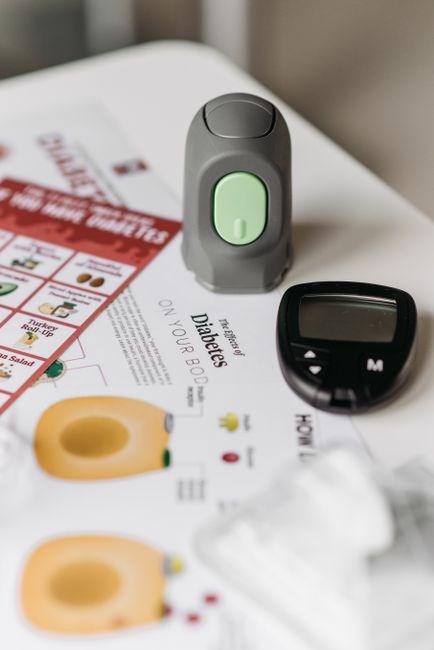
The Verio Flex runs on a single AAA battery, delivering up to 200 tests before replacement It enters low‑power mode after 30 seconds of inactivity, dimming the display to conserve energy․ Replace the AAA when the low‑battery indicator lights to keep readings accurate Battery life is shown by LED!!
Battery Type, Capacity, and Replacement Guidelines
The OneTouch Verio Flex operates on a single, standard AAA alkaline battery, which delivers a nominal voltage of 1․5 V and a typical capacity of 1000 mAh under normal usage conditions․ The meter is engineered to perform up to 200 individual glucose tests per battery life, with the actual number of tests varying slightly based on test strip type, ambient temperature, and user handling․ The device monitors battery voltage internally and will display a low‑battery warning when the voltage drops below 1․2 V, prompting the user to replace the cell․ To replace the battery, open the front cover by sliding the latch, remove the old AAA battery, insert a fresh, fully charged alkaline cell, and re‑close the cover․ The meter will automatically reset its internal counter and resume normal operation․ For optimal performance, it is recommended to replace the battery before the low‑battery indicator appears, as prolonged use on a depleted cell can lead to inaccurate readings․ Additionally, storing the device in a cool, dry environment and avoiding exposure to extreme temperatures will help maintain battery health and prolong overall device lifespan․ The manufacturer advises using only genuine AAA alkaline batteries and not rechargeable Ni‑MH or Li‑Ion cells, as these can damage the meter’s circuitry․ Proper disposal of used batteries should follow local regulations to prevent environmental contamination․ By adhering to these guidelines, users can ensure reliable, accurate glucose monitoring and avoid interruptions in their daily health management routine․ Regular battery checks during routine use can preemptively identify low power situations, ensuring that the meter remains ready for critical readings at all times․ If the device fails to power on after battery replacement, verify that the battery is seated correctly and that the contacts are clean; a simple cleaning with a dry cloth can resolve most connectivity issues․

Initial Setup and Calibration
Insert a fresh AAA battery, open the front cover, and load a new test strip into the slot․ Turn on the meter; it will prompt for a calibration check․ Apply a calibration sample, wait for the green light, and the device will confirm successful calibration․!!!
Calibration Procedure and Test Strip Loading
Begin by inserting a fresh AAA battery into the meter and opening the front cover․ Slide a new, unused test strip into the designated slot; the device will automatically detect the strip type․ Power on the meter; a calibration prompt will appear on the LCD․ Use the included calibration sample (typically a 0․5 mL drop of calibration fluid) and apply it to the channel on either side of the strip․ The channel will fill, turning a bright red color, and the meter will count down․ Once the countdown completes, a green checkmark will confirm successful calibration․ If the meter displays an error, repeat the calibration steps or replace the test strip․ After calibration, the device is ready for routine glucose testing․ This procedure ensures accurate results and maintains the meter’s performance over time․
Sample Collection Methodology
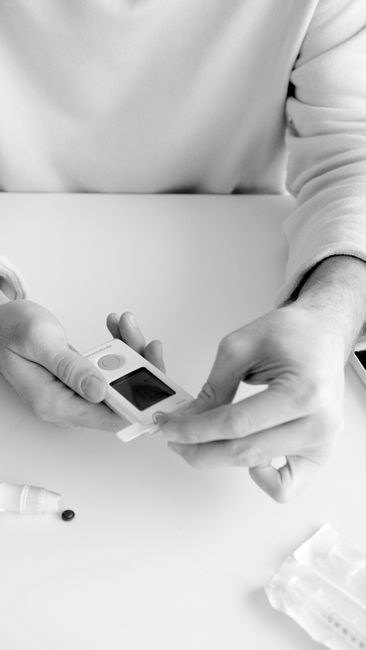
Use a sterile lancet to puncture the side of the fingertip․ Allow the first drop to fall off, then gently squeeze to obtain a 0․5 mL sample․ Apply the drop to the test strip channel; the meter will detect the volume and begin analysis․ Clean the area afterward․ Follow the meter on prompts․ Now
Finger Prick Technique and Sample Volume Requirements
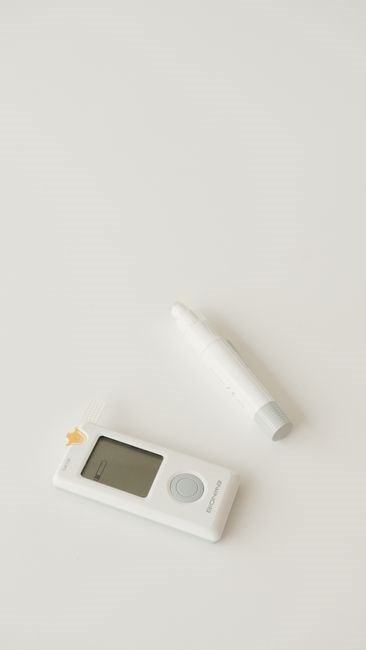
Before testing, wash hands with warm water and dry thoroughly․ Select a finger that is not sore or swollen․ Use the built‑in lancet device to adjust depth to 0․5–1․0 mm․ Pinch the side of the fingertip to create a small, rounded surface․ Insert the lancet at a 90‑degree angle, then release the pressure to allow a single drop of blood to form․ Avoid squeezing the finger hard; gentle pressure will yield a 0․5–0․7 mL sample, which is sufficient for the dual‑channel test strip․ Apply the drop to the designated channel, ensuring it covers the entire sensing area․ The meter will detect the volume and begin the analysis cycle․ After the test, apply a sterile bandage if needed and dispose of the lancet in a sharps container․ Repeat the process for each channel if a second measurement is required․ Proper technique reduces user error and improves result accuracy․
- Use a fresh lancet to avoid contamination․
- Adjust depth to 0․5–1․0 mm for optimal blood flow․
- Apply gentle pressure; avoid squeezing to prevent hemolysis․
- Ensure the drop covers the entire sensing area of the strip․
- Dispose of lancet in a sharps container immediately․
For optimal results, keep the lancet tip clean and replace it after each use․ Use a light touch when applying the drop to avoid hemolysis, which can skew readings․ If the strip does not fill within 10 seconds, check for air bubbles and reapply․ Consistent technique ensures reliable data․
Practice makes perfect
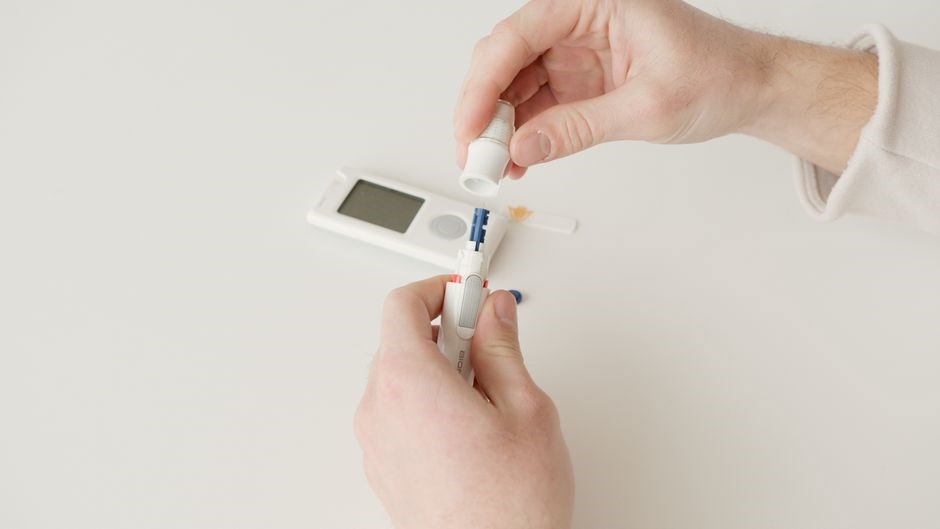
Executing a Test
After loading the sample, the meter detects the channel fill, turns red, and starts a countdown․ Once the timer ends, the result appears on the LCD․ If the channel is empty or the strip is faulty, an error message will display․ The meter’s 30‑second timer gives result․
Channel Filling, Color Change, and Result Countdown
When a test strip is inserted, the meter’s sensor immediately recognizes the strip’s dual‑channel design․ A small drop of blood is applied to the designated area on either side of the strip․ As the sample enters the micro‑channel, a built‑in optical sensor monitors the flow․ The meter’s display lights up and the channel indicator turns a bright red hue, signaling that the device is ready to begin the analysis․ This red color is a visual cue that the device is ready to begin the analysis․ Once the channel is confirmed full, the Verio Flex initiates a 30‑second countdown․ During this period, the meter processes the enzymatic reaction that occurs on the strip, converting glucose into a measurable electrical signal․ The countdown timer is displayed prominently on the LCD, allowing the user to track progress․ If the timer reaches zero and the result is not yet available, the meter will automatically pause and prompt the user to wait a few additional seconds․ After the countdown completes, the result is shown in mg/dL or mmol/L, depending on the user’s preferred units․ The entire sequence—from sample application to result display—takes less than a minute, ensuring quick and reliable glucose monitoring for everyday use․ The device also offers a built‑in alarm for low battery and a memory slot for up to 2000 readings, ensuring long‑term reliability․ Users can also set custom glucose thresholds, receive alerts, sync data with their healthcare provider’s portal for comprehensive monitoring !!
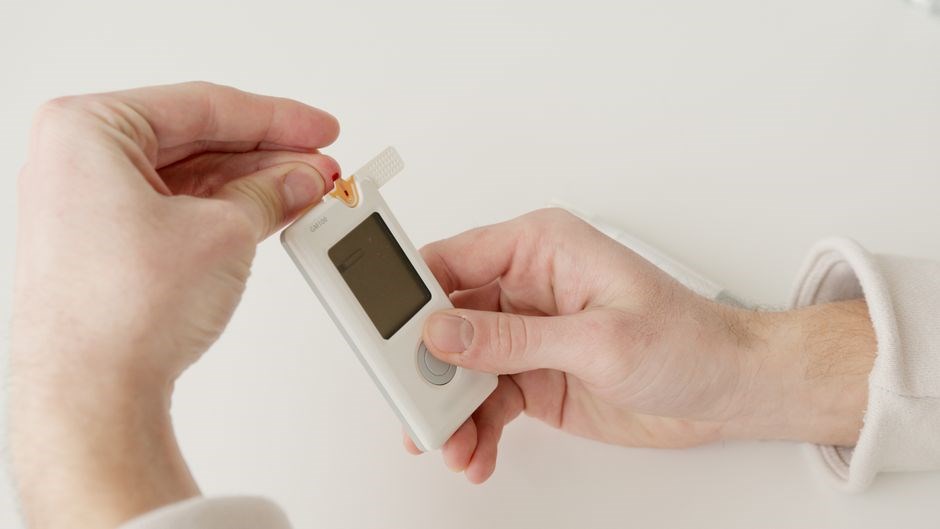
Interpreting the Results
The meter shows glucose in mg/dL or mmol/L․ A green light indicates normal range, yellow warns high, red signals low․ Errors display “Error” or “Low” and prompt retest․ Results can be saved, exported, or synced via Bluetooth․ Use the app to track trends over time
Result Display, Error Messages, and Accuracy Considerations
The OneTouch Verio Flex presents glucose values on a backlit LCD, selectable in mg/dL or mmol/L․ A green light signals a normal reading, yellow flags a high level, and red warns of hypoglycemia․ If the meter cannot process the sample, it flashes “Error” or “Low,” prompting a repeat test․ Accuracy is upheld by using fresh test strips within their expiry date and calibrating the device per the manufacturer’s guidelines․ The meter’s internal algorithm corrects for temperature variations, and the dual‑channel design minimizes sample‑volume errors․ Users can view a history log on the device and export data via Bluetooth to the OneTouch app for trend analysis and sharing with healthcare providers․ The display also offers a “Result” button to confirm or cancel the reading, and a “Save” option to store the value in the device’s memory․ For optimal accuracy, keep the meter’s battery charged, avoid extreme temperatures, and clean the test‑strip holder regularly․ The Verio Flex’s interface is designed for quick interpretation, making it suitable for daily monitoring and emergency checks alike․ The device also provides a built‑in memory of up to 100 results, allowing users to review trends without a smartphone․ In cases of ambiguous readings, the meter offers a “Repeat” function that re‑analyzes the sample for confirmation․ Users should also be aware that high hematocrit levels can slightly skew results, so consulting with a healthcare professional is recommended if readings consistently deviate․ Additionally, the Verio Flex supports multiple languages on its interface, ensuring accessibility for a diverse user base․ The meter’s ergonomic design includes a non‑slip grip and a clear, easy‑to‑read display that remains visible even in bright sunlight․ All these features combine to make the Verio Flex a reliable tool for everyday glucose monitoring․
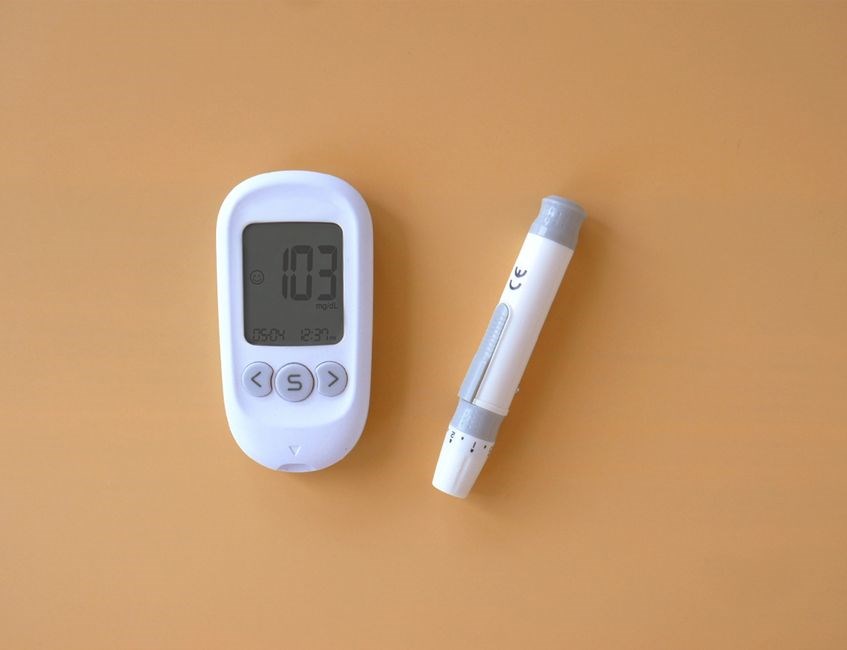
Connectivity and Data Management
The OneTouch Verio Flex pairs via Bluetooth to the OneTouch app, enabling real‑time sync of glucose readings․ Users can export data to CSV or share with healthcare providers through secure cloud storage․ The meter’s firmware auto‑updates to maintain compatibility and daily use․ For all․

Bluetooth Transfer, Cloud Apps, and Data Export Options
The OneTouch Verio Flex uses a secure Bluetooth Low Energy (BLE) connection to sync glucose data with the official OneTouch app on iOS and Android devices․ After pairing, each measurement is transmitted instantly, allowing the app to log values, trend lines, and alerts in real time․ Users can set up automatic uploads, so the meter sends data to the cloud without manual intervention․ The cloud platform supports HIPAA‑compliant storage, giving patients and clinicians access to a comprehensive history of readings, test strip usage, and device status․ Data can be exported in CSV format for spreadsheet analysis or via the app’s “Share” feature to email or PDF, making it easy to provide records to doctors or insurance companies․ The app also offers customizable reminders, goal tracking, and the ability to share data with multiple healthcare providers through a secure portal․ For advanced users, the OneTouch API allows integration with third‑party health management systems, enabling automated data flow into electronic health records (EHRs)․ All connectivity is protected by end‑to‑end encryption, ensuring privacy and compliance with global data protection regulations․ The meter’s firmware updates over BLE, adding new features and security patches without requiring a physical connection․ This seamless integration streamlines diabetes management and empowers patients to stay informed about their glucose trends․ Additionally, the device supports data backup to cloud storage services such as Google Drive and iCloud, providing redundancy and easy recovery if the phone is lost․ Users can also schedule weekly reports that are emailed directly to their care team, ensuring consistent monitoring․ The system’s analytics engine can flag outliers and suggest lifestyle adjustments based on historical patterns․