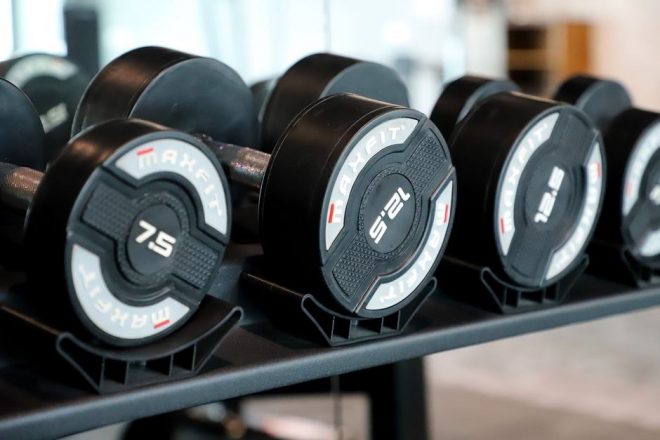
Overview of Health Fitness Management
The 3rd edition of Health Fitness Management offers an updated framework for integrating evidence‑based practice into everyday fitness operations. It emphasizes holistic wellness, data‑driven decision making, and adaptive training strategies for diverse populations. A concise, actionable reference now
Brief description and scope of the 3rd edition
Health Fitness Management – 3rd edition – is a comprehensive guide that consolidates the latest research, clinical insights, and practical tools for fitness professionals, sports scientists, and health practitioners. The edition expands the original framework by integrating advanced data analytics, wearable technology interpretation, and personalized nutrition protocols that align with contemporary wellness trends. It covers foundational principles such as exercise physiology, biomechanics, and periodization, while also addressing emerging topics like digital health platforms, mental resilience, and community‑based fitness initiatives. The scope is intentionally broad, aiming to serve both academic institutions and industry practitioners. It offers modular chapters that can be adopted independently or as part of a full curriculum, each chapter containing case studies, evidence‑based guidelines, and step‑by‑step implementation strategies. The book’s structure supports a modular learning approach, allowing readers to focus on specific aspects such as strength training, cardiovascular conditioning, or recovery science. Additionally, the edition includes a companion digital toolkit that provides templates for training logs, performance dashboards, and progress tracking sheets. The integration of these tools supports real‑time monitoring and facilitates data‑driven adjustments to training programs. By bridging theory and practice, the 3rd edition equips readers with the knowledge to design, evaluate, and refine fitness interventions that are safe, effective, and tailored to individual needs. The edition also emphasizes ethical considerations, ensuring that practitioners maintain professional standards and respect client confidentiality while leveraging technology. Overall, the 3rd edition serves as a vital resource for anyone seeking to elevate their practice in the evolving landscape of health and fitness management. Moreover, the edition integrates a comprehensive digital companion, offering interactive modules, real‑time analytics dashboards, and customizable training plans that enable practitioners to monitor progress, adjust protocols, and deliver evidence‑based interventions with precision and integration with wearable devices enhances data fidelity daily!!
Readers will find this edition essential for practice. now

What Sets the 3rd Edition Apart
The 3rd edition stands out by merging current research with actionable tools, adding wearable‑data insights, and offering modularcase studies. It expands core fitness concepts, introduces real‑time analytics, and supports personalized program design for diverse populations enabling measurable progress.
Comparative analysis with previous editions and new features
In the 3rd edition, the authors have undertaken a comprehensive revision that aligns the text with the latest peer‑reviewed evidence and industry standards. Compared to the 2nd edition, the new volume expands the evidence‑based framework by incorporating a dedicated chapter on digital health technologies, including wearable sensors, mobile applications, and cloud‑based data analytics. This addition reflects the growing importance of real‑time monitoring in personalized training plans. The authors also restructured the nutrition section, replacing generic guidelines with a modular approach that allows practitioners to tailor macronutrient strategies to specific training phases, injury recovery, or sport‑specific demands. The exercise science core has been updated to include recent findings on neuromuscular adaptations, periodization models, and high‑intensity interval training protocols. A new appendix provides a step‑by‑step guide for implementing advanced performance metrics such as velocity‑based training, force‑velocity profiling, and lactate threshold mapping. The 3rd edition introduces case studies illustrating theory translation into practice across settings—gyms, sports teams, and rehab centers. These case studies are accompanied by downloadable templates for training logs, progress charts, and individualized program designs. Finally, the authors enhanced digital resources, offering quizzes, video demos, and a mobile app that syncs with the PDF and demo. Together, these updates create a more dynamic, data‑driven, and practitioner‑friendly resource that addresses the evolving needs of health and fitness professionals.

Core Topics Covered
Nutrition, exercise science, recovery, monitoring, and performance metrics form the core. The edition blends theory with practice, offering evidence‑based protocols, data‑driven tools, and case studies that empower trainers to design adaptive, measurable programs. Enjoy! Stay!
Nutrition, exercise science, recovery, monitoring, and performance metrics
In the 3rd edition, nutrition is presented as the foundation of all fitness outcomes, detailing macronutrient timing, micronutrient adequacy, and individualized meal planning for athletes, coaches, and general populations. Exercise science sections cover biomechanics, physiology, and periodization models, integrating recent research on high‑intensity interval training, resistance progression, and functional movement patterns. Recovery modules emphasize sleep hygiene, active rest, and therapeutic modalities such as cryotherapy, compression garments, and foam rolling, with evidence‑based guidelines for optimal timing and dosage. Monitoring tools are expanded to include wearable technology, heart‑rate variability, and subjective wellness scales, allowing practitioners to track readiness, fatigue, and adaptation in real time. Performance metrics are defined through objective benchmarks—VO₂ max, lactate threshold, power output, and movement efficiency—paired with data analytics dashboards that translate raw numbers into actionable training adjustments. The edition also introduces a modular framework for integrating these domains, encouraging a holistic, data‑driven approach that can be customized for individual goals, injury prevention, and long‑term health. Additionally, the edition explores emerging technologies such as AI‑driven coaching apps, biofeedback integration, and personalized nutrition algorithms, providing a roadmap for future practice. Readers are encouraged to apply the modular framework to create individualized, evidence‑based programs that evolve with ongoing data collection and performance feedback. The book also highlights case studies from elite athletes and community programs, illustrating practical translation of theory into measurable results.

Practical Application in Fitness Programs
Case studies illustrate how to translate theory into practice, offering step‑by‑step training protocols, periodization plans, and template designs. Coaches adapt modules to client needs monitor progress,and refine programs for measurable, sustainable results.

Case studies, training protocols, and program design templates
In the 3rd edition, the authors present a series of real‑world case studies that demonstrate how to apply the theoretical concepts to diverse client populations. Each case is broken down into four key stages: assessment, goal setting, intervention design, and outcome evaluation. The assessment phase incorporates validated screening tools, body composition analysis, and functional movement tests to establish a baseline. Goal setting follows the SMART framework, ensuring objectives are Specific, Measurable, Achievable, Relevant, and Time‑bound. Intervention design features periodized training plans that balance resistance, cardiovascular, and mobility work, with progressive overload principles tailored to individual readiness. Outcome evaluation uses both subjective feedback and objective metrics such as strength gains, VO₂ max improvements, and recovery biomarkers. These templates are modular, supporting single‑session drills, weekly micro‑cycles, and multi‑month macro‑cycles. By integrating data‑driven adjustments, coaches can refine programs in real time, ensuring continuous progression and injury prevention. The case studies cover athletes, seniors, rehabilitation patients, and corporate wellness groups, illustrating the versatility of the framework. Practitioners can replicate these examples, adapt them to local resources, and scale them for group or individual settings. The practical tools provided in this edition make it an indispensable resource for fitness professionals seeking evidence‑based, adaptable program design.
These resources empower trainers to deliver science‑backed programs that adapt to evolving client needs, ensuring sustained engagement and measurable health outcomes across levels of fitness experience.
Its modular design supports rapid iteration, enhancing adaptability!

Accessing the PDF for Free
To obtain the 3rd edition PDF, visit the publisher’s official site or reputable academic repositories. Use the search bar with the title, verify the file size, and download via HTTPS. Always ensure the source is legitimate before opening the document. Verify the file hash to confirm before download now!.
Official and reputable sources for downloading the 3rd edition PDF
Reliable access to the latest edition requires navigating a few trusted platforms. The publisher’s official portal typically hosts a secure download link, often gated behind a simple email confirmation. Academic libraries, especially those affiliated with universities, provide institutional access through inter‑library loan or digital repositories such as JSTOR, SpringerLink, or Wiley Online Library. Open‑access databases like CORE or the Directory of Open Access Journals (DOAJ) occasionally index full‑text PDFs for free use. For professionals, industry‑specific portals—such as the American College of Sports Medicine (ACSM) or the National Strength and Conditioning Association (NSCA)—offer downloadable resources after membership registration. Additionally, reputable e‑book aggregators like Project Gutenberg or Internet Archive may host the file if it falls under public domain or has been donated by the author. Always verify the file’s integrity by comparing its checksum (MD5 or SHA‑256) with the publisher’s provided hash. Avoid sites that prompt for third‑party downloads or require suspicious software installations, as these are common vectors for malware.
Access these resources, confirm the file’s format matches the publisher’s specifications—PDF 1.7 or later. If corrupted, re‑download or request a fresh copy. Keep a backup on a secure cloud service, and document the download date and source URL for future reference. Check hash confirm file integrity!

Ensuring Authenticity and Quality
Authenticity checks involve verifying digital signatures, comparing file hashes, and ensure the PDF originates from the publisher’s official site or a recognized academic repository. Quality is confirmed by checking resolution, embedded fonts, and absence of malware or corrupted pages. safe no hidden links!!
Verification methods, PDF integrity checks, and avoiding pirated copies
When accessing the 3rd edition of Health Fitness Management, users should employ a multi‑layered verification strategy to confirm authenticity and safeguard against counterfeit files. First, always download from the publisher’s official portal or an accredited academic repository; these sites typically embed a cryptographic signature or a checksum in the download page. Second, after downloading, compute the file’s SHA‑256 hash using a trusted utility (e.g., OpenSSL or a built‑in OS tool) and compare the result with the value posted by the source. A mismatch indicates tampering or corruption. Third, open the PDF with a reputable reader that displays document properties; the author field, creation date, and digital certificate should match the publisher’s records. Fourth, inspect the file size and page count against the published specifications; significant deviations can signal a compressed or altered copy. Fifth, run a malware scan on the file before opening to detect embedded scripts or malicious code. Finally, avoid free hosting sites, torrent links, or email attachments that promise the PDF for “free”; these are common vectors for pirated or malicious copies. By following these steps, readers can confidently access a genuine, high‑quality PDF while respecting intellectual property rights. Moreover, maintaining a digital record of the download timestamp and source URL in a secure log can further aid future audits and ensure compliance with institutional data policies. Users are encouraged to periodically verify the checksum against the publisher’s published hash to detect any unnoticed alterations over time. This practice upholds academic integrity!

Ethical and Legal Considerations
Respecting copyright is essential when accessing the 3rd edition of Health Fitness Management. Users must ensure the source is licensed, avoid unauthorized distribution, and cite properly. Ethical use promotes academic integrity and protects authors’ intellectual property rights Adhere to guidelines and
Copyright, licensing, and responsible downloading practices
Downloading the Health Fitness Management 3rd edition PDF responsibly requires understanding copyright, licensing, and ethical use. The publisher grants a limited license for personal, non‑commercial use; verify terms on the official site or in the PDF metadata. Library portals or institutional repositories typically cover the download under a valid license, legitimizing academic use. Unofficial sites or torrents often violate rights and risk malware. Use reputable sources such as the publisher’s download page, university libraries, or trusted academic platforms that provide verified PDFs; Keep a record of download date and source for citation and authenticity checks. If the PDF has a watermark or unique identifier, it confirms an official copy. Share the file only through secure, licensed channels—protected course systems or shared drives that respect the agreement. For excerpts used in teaching or research, consult the fair‑use policy or obtain explicit permission from the publisher, especially if the excerpts exceed permissible limits. Adhering to these practices not protects creators ensures that fitness professionals have daily for resources !!!

Resources and Further Reading
Explore complementary titles such as “Advanced Physiology,” peer reviewed journals like the Journal of Strength & Conditioning. These resources deepen knowledge and support evidence‑based practice. see also For more insights, see research Today for deeper insight study!

Complementary books, journals, and websites for deeper exploration
For readers seeking to expand beyond the core text, a curated selection of books, peer‑reviewed journals, and reputable online portals offers depth and breadth across nutrition, biomechanics, and program design. Key titles include “Advanced Strength & Conditioning” by the National Strength and Conditioning Association, “Nutrition for Sport and Exercise” by the American College of Sports Medicine, and “The Science of Training” series by Thomas Devor, each providing evidence‑based frameworks and practical case studies. Journals such as the Journal of Applied Physiology, the International Journal of Sports Medicine and the Journal of Strength & Conditioning Research publish cutting‑edge research on metabolic pathways, injury prevention, and performance analytics. Digital resources like the ACSM’s online library, PubMed Central, and the Open Access Journal of Sports Science provide free, peer‑reviewed articles and systematic reviews. Additionally, professional websites such as the American Council on Exercise (ACE), the International Sports Sciences Association (ISSA), and the National Strength and Conditioning Association (NSCA) host webinars, certification modules, and community forums that facilitate continuous learning. By consulting journals and workshops, practitioners can refine. These resources empower professionals to stay ahead of trends, ensuring programs are scientifically grounded and adaptable. Moreover, engaging with these materials fosters a culture of lifelong learning, critical for maintaining high standards of client care and professional growth. Continuously updating knowledge through these resources enables practitioners to tailor interventions, monitor progress accurately, and adjust training variables to maximize client outcomes while minimizing injury risk. Finally, integrating peer‑reviewed literature with practical experience cultivates a dynamic, evidence‑based practice that evolves with emerging research and industry standards.!!!.!!!!!!