instructions for form 8621

Form 8621: A Comprehensive Guide

Form 8621 is a crucial IRS document for shareholders of Passive Foreign Investment Companies (PFICs) or Qualified Electing Funds (QEFs).

It details distributions received, requiring careful adherence to reporting guidelines to avoid potential penalties and ensure full tax compliance.

What is Form 8621?

Form 8621, officially titled “Information Return by a Shareholder of a Passive Foreign Investment Company or Qualified Electing Fund,” is a vital tax form used by U.S. taxpayers. It’s specifically for individuals who hold shares in a Passive Foreign Investment Company (PFIC) or have made a Qualified Electing Fund (QEF) election.

This form serves as a reporting mechanism to the IRS, detailing information about distributions received from these foreign investments. Shareholders utilize Form 8621 to report certain direct and indirect distributions. It’s essential for accurate tax calculations related to foreign income and helps the IRS monitor compliance with PFIC regulations. Proper completion and timely filing are crucial to avoid potential penalties.

Purpose of Form 8621

The primary purpose of Form 8621 is to report information regarding shareholder ownership in, and distributions received from, Passive Foreign Investment Companies (PFICs) and Qualified Electing Funds (QEFs). This allows the IRS to properly tax U.S. citizens and residents on income generated from these foreign investments.

It ensures transparency and compliance with complex tax rules surrounding offshore assets. By filing this form, shareholders fulfill their obligation to report potentially taxable income that might otherwise go unreported. Form 8621 helps determine the correct tax liability, preventing underpayment and potential penalties. Accurate reporting is key for navigating the intricacies of international tax law.

Who Must File Form 8621?

U.S. citizens and residents who hold stock or ownership in a Passive Foreign Investment Company (PFIC) or have made a Qualified Electing Fund (QEF) election are generally required to file Form 8621. This includes individuals who receive direct or indirect distributions from these entities.

Specifically, if you receive certain PFIC distributions during the tax year, you must file this form. It’s also necessary if you disposed of your PFIC shares. Those with foreign accounts exceeding $10,000 may also need to file FinCEN Form 114 (FBAR) in addition to Form 8621, demonstrating overlapping reporting requirements.

Passive Foreign Investment Companies (PFICs)

PFICs are foreign corporations where 75% of their gross income is passive, like dividends or interest, impacting U.S. shareholder tax obligations.

Defining a PFIC

A Passive Foreign Investment Company (PFIC) is generally any foreign corporation that meets one of two tests. The first is the income test: 75% or more of its gross income for the year is passive income, such as dividends, interest, royalties, and rents. The second is the asset test; 50% or more of the corporation’s assets are held for the production of passive income.

Determining PFIC status is critical because it triggers specific U.S. tax rules. These rules are designed to prevent U.S. taxpayers from deferring tax by investing in foreign entities. If a corporation qualifies as a PFIC, distributions to U.S. shareholders are subject to complex tax calculations, potentially resulting in higher tax liabilities.

Identifying PFIC Ownership

Determining PFIC ownership is essential for accurate Form 8621 reporting. U.S. tax rules consider a shareholder to own a PFIC directly if they directly hold shares in the foreign corporation. However, ownership can also be indirect, occurring through layers of entities. For example, owning shares in a foreign mutual fund that, in turn, invests in PFICs creates indirect ownership.

Constructive ownership rules further complicate matters. These rules attribute ownership to certain individuals and entities, even if they don’t directly hold the shares. Accurately identifying all direct and indirect ownership interests is vital for correctly calculating and reporting PFIC income and distributions on Form 8621.

PFIC Reporting Requirements

PFIC reporting necessitates shareholders to file Form 8621 alongside their annual tax return if specific conditions are met. Primarily, filing is required when a shareholder receives distributions from a PFIC, either directly or indirectly. This includes distributions of cash, property, or even constructive distributions.

The form demands detailed information about the PFIC itself, the shareholder’s ownership percentage, and the nature and amount of distributions received. Shareholders electing a Qualified Electing Fund (QEF) election have distinct reporting obligations compared to those who don’t, requiring specific sections of Form 8621 to be completed.

Qualified Electing Fund (QEF) Election

A QEF election allows shareholders to report their share of PFIC income annually, potentially reducing tax liability compared to the default tax rules.

What is a QEF Election?

A Qualified Electing Fund (QEF) election is a choice made by shareholders of a Passive Foreign Investment Company (PFIC) to receive specific tax treatment. Instead of being taxed on the PFIC’s earnings when distributed – often at higher ordinary income rates – a QEF election allows the shareholder to report their proportionate share of the PFIC’s ordinary earnings and capital gains annually, regardless of actual distributions.

This election requires filing Form 8621 with your tax return. Making a QEF election can potentially minimize tax liabilities, especially if the PFIC has significant undistributed earnings. However, once made, the QEF election is generally binding for all future years, so careful consideration is essential before opting in.

Benefits of Making a QEF Election

Opting for a QEF election offers several potential tax advantages for PFIC shareholders. Primarily, it allows for the annual taxation of the shareholder’s share of the PFIC’s earnings, potentially avoiding higher tax rates applied to distributions of accumulated income. This can be particularly beneficial if the PFIC experiences substantial growth without corresponding distributions.

Furthermore, a QEF election can simplify tax reporting by providing a clear framework for calculating tax liabilities each year. While requiring diligent Form 8621 filing, it offers predictability. However, remember the election is generally irrevocable, so assess your long-term investment strategy carefully before making this choice.

How to Make a QEF Election

Making a QEF election requires a formal process, initiated by filing Form 8621 with your tax return for the first tax year you own shares in the PFIC. The election must be made no later than the due date of your tax return, including extensions, for that year.

Crucially, you must provide specific details about the PFIC, including its name, income, and tax liability information, within the form. The IRS instructions offer detailed guidance on completing each section accurately. Once made, the QEF election is generally irrevocable, so careful consideration is vital before proceeding. Ensure meticulous record-keeping for ongoing compliance.

Form 8621 Sections & Information Required

Form 8621 is divided into sections requesting shareholder details, PFIC specifics, and QEF election information, demanding precise data for accurate tax reporting.

Part I: Shareholder Information

Part I of Form 8621 meticulously gathers details about the shareholder(s) reporting PFIC ownership. This section requires your name, address, and Taxpayer Identification Number (TIN), which could be your Social Security Number (SSN) or Employer Identification Number (EIN).

If filing jointly, include information for both spouses. Crucially, you must indicate whether you are making a QEF election on behalf of a minor or someone else.

Accurate identification is paramount, as this information links the reported PFIC activity directly to the responsible taxpayer. Double-check all entries for consistency and correctness to avoid processing delays or potential issues with the IRS.

Part II: PFIC Information

Part II of Form 8621 demands comprehensive details about the Passive Foreign Investment Company (PFIC) itself. You’ll need to provide the PFIC’s name, address, and importantly, its Taxpayer Identification Number (TIN) if known.

Report the PFIC’s income and tax liability information as provided by the fund. This section also requires specifying the type of PFIC – whether it’s a mutual fund, other corporation, or another category.

Accurate PFIC identification is vital for proper IRS processing. Ensure all details align with official documentation from the PFIC to avoid discrepancies and potential penalties. Careful completion of this section is fundamental to compliant reporting.

Part III: QEF Election Details

Part III focuses specifically on the Qualified Electing Fund (QEF) election, if one has been made. This section requires detailing the date the QEF election was made, and confirmation that the shareholder has met all necessary requirements for the election to be valid.

You must report the PFIC’s name as it appears on the QEF election statement. Include information regarding any changes to the QEF election, such as revocation or modification.

Accurate reporting of QEF election details is crucial, as it impacts how PFIC income is taxed. Ensure consistency with the original election documentation to avoid issues during IRS review.

Distributions and Form 8621

Form 8621 requires reporting both direct and indirect distributions from PFICs. Shareholders must accurately calculate and report these amounts to ensure proper tax liability.

Reporting PFIC Distributions

Reporting PFIC distributions on Form 8621 is a critical aspect of US tax compliance for investors in foreign entities. Shareholders must meticulously document all distributions – both direct payments from the PFIC and indirect distributions, such as deemed distributions upon sale or exchange of PFIC shares.

The IRS requires detailed information regarding the source and amount of each distribution. This includes identifying whether the distribution represents ordinary income, capital gains, or other types of income. Accurate calculation of distribution amounts is paramount, as underreporting can lead to substantial penalties.

Furthermore, the method of reporting depends on whether a QEF election has been made. Proper documentation and adherence to IRS guidelines are essential for avoiding issues during tax audits.

Direct vs. Indirect Distributions

Understanding the difference between direct and indirect PFIC distributions is vital for accurate Form 8621 reporting. Direct distributions are actual cash or property received from the PFIC itself, clearly identifiable as income from the foreign investment.

Indirect distributions, however, are more complex. They occur when a shareholder disposes of their PFIC shares, and the gain exceeds the shareholder’s basis in the stock. This excess is treated as a deemed distribution, taxable in the year of the sale.

Both types of distributions require reporting, but the calculation methods differ. Properly classifying distributions ensures correct tax liability and avoids potential penalties from the IRS.

Calculating Distribution Amounts

Accurately calculating PFIC distribution amounts is critical for Form 8621. For direct distributions, use the actual amount received, converting it to US dollars using the appropriate exchange rate on the distribution date.

Indirect distributions require determining the gain from the sale of PFIC shares. This involves subtracting the shareholder’s basis (original cost) from the sale price. The resulting gain is then treated as a distribution.

Remember to account for any foreign taxes paid related to these distributions, as these may be creditable. Detailed record-keeping of all transactions and exchange rates is essential for accurate reporting and potential tax benefits.

Penalties for Non-Compliance

Failure to file Form 8621 or reporting inaccuracies can result in substantial penalties, including fines and potential interest charges from the IRS.

Failure to File Penalties

Ignoring the filing requirement for Form 8621 can trigger significant financial repercussions. The IRS imposes penalties for failing to file this information return when obligated. Initially, a penalty of $10,000 applies for each calendar year the form isn’t submitted on time.

However, this penalty isn’t capped; it escalates to $50,000 for each calendar year if the failure continues beyond three months after the IRS notifies you of the delinquency. These penalties are in addition to any potential taxes, interest, or penalties associated with underreporting income from PFICs.

It’s crucial to understand that these are strict liability penalties, meaning they apply regardless of intent or negligence. Therefore, timely and accurate filing is paramount to avoid these substantial financial burdens.

Failure to Report Correctly Penalties

Submitting Form 8621 with inaccurate or incomplete information also carries substantial penalties. The IRS scrutinizes these returns closely, and discrepancies can lead to significant financial consequences beyond simply failing to file. A penalty of $10,000 may be imposed for each incorrect statement or omission on the form.

Similar to failure-to-file penalties, this amount can escalate to $50,000 per incorrect statement if the inaccuracy persists for over three months after IRS notification. These penalties are separate from any additional tax liability resulting from underreported PFIC income.

Accuracy is therefore vital; meticulous record-keeping and professional tax advice are highly recommended to ensure compliance and avoid these costly errors.

Related Forms

Form 8621 often intersects with other tax forms like FinCEN Form 114 (FBAR) and Form 1116, used for claiming foreign tax credits on your return.

FinCEN Form 114 (FBAR)

FinCEN Form 114, also known as the Report of Foreign Bank and Financial Accounts (FBAR), is a separate but often related filing requirement. Individuals with combined foreign financial accounts exceeding $10,000 at any point during the calendar year must file an FBAR.

This includes some mutual funds held within PFICs. While not directly filed with Form 8621, the FBAR helps the IRS track foreign assets and ensure compliance with reporting obligations. Failure to file an FBAR can result in significant civil penalties, independent of any issues with Form 8621. It’s crucial to determine if your PFIC holdings trigger an FBAR filing requirement alongside your Form 8621 obligations.

Form 1116 (Foreign Tax Credit)

Form 1116, the Foreign Tax Credit (FTC) form, becomes relevant when PFIC distributions are subject to foreign taxes. Shareholders may be able to claim a credit for these taxes paid to the foreign country, reducing their U.S. tax liability.

Properly calculating and claiming the FTC requires detailed record-keeping of foreign taxes paid and adherence to specific IRS guidelines. Form 8621 provides information necessary to complete Form 1116 accurately. It’s important to understand the limitations and sourcing rules associated with the FTC to maximize potential tax benefits and avoid audit issues. Consulting a tax professional is recommended for complex PFIC scenarios.

Filing Form 8621

Form 8621 can be filed electronically through authorized e-file providers or by mail, adhering to IRS guidelines. Timely submission is crucial for compliance.

Filing Methods

Form 8621 offers several filing options to accommodate taxpayer preferences and technological capabilities. The IRS encourages electronic filing through authorized software or an IRS-approved e-file provider, streamlining the process and reducing errors. Several tax preparation companies, like H&R Block, facilitate online filing for this form.

Alternatively, taxpayers can choose to file via mail. The completed form, along with any required attachments, should be sent to the address specified in the form instructions, which varies based on the state of residence. Ensure proper postage and consider using certified mail for proof of delivery. Regardless of the method chosen, meticulous record-keeping of the filed form and supporting documentation is essential for potential future inquiries.

Filing Deadline

Form 8621’s filing deadline is intrinsically linked to your regular individual income tax return due date. Generally, this means the form must be submitted alongside Form 1040 by April 15th of each year, although this date can be extended if you file for an extension on your primary tax return.

However, it’s crucial to remember that an extension to file your income tax return doesn’t automatically extend the deadline for Form 8621. If you anticipate difficulties meeting the standard deadline, proactively explore available extension options. Accurate and timely filing is paramount to avoid potential penalties levied by the IRS for non-compliance.


skinning cataclysm guide

Cataclysm Skinning Guide: An Overview (01/24/2026 07:34:42)

This comprehensive guide details leveling Cataclysm skinning, from 1-525, offering optimal zones and efficient farming techniques for maximizing your profits and skill gains.

Skinning in Cataclysm represents a significant shift, demanding a focused approach for efficient leveling and profit maximization. The revamped zones introduce new creatures and, consequently, unique hides crucial for Leatherworking and First Aid. This guide serves as your roadmap to navigate these changes, ensuring you quickly reach the maximum skill level of 525.

Unlike previous expansions, Cataclysm skinning benefits greatly from strategic zone selection and understanding material demands. Simply skinning every beast encountered won’t yield optimal results. We’ll explore prime locations, considering mob density, respawn rates, and the value of the resulting materials. Mastering these elements is key to a rewarding skinning experience within the shattered world of Azeroth.

Why Skinning in Cataclysm?

Cataclysm skinning offers substantial benefits beyond simply acquiring leather. It’s a vital profession for Leatherworkers, providing the core materials for crafting powerful gear and items. Furthermore, the hides obtained are essential for First Aid, enabling the creation of bandages and healing potions crucial for both PvE and PvP content.

The demand for Cataclysm-era leather remains consistently high, translating into a reliable gold source. Efficient skinners can capitalize on this demand by strategically farming and selling their materials on the Auction House. Moreover, leveling skinning alongside another gathering profession, like Herbalism or Mining, creates a synergistic income stream, maximizing your overall profitability within the game.

Leveling Skinning 1-525

Achieving 525 skill requires strategic zone selection and consistent practice. This section outlines the most efficient leveling paths, maximizing gains and minimizing wasted effort.

Skinning Locations 1-300

Early skinning levels (1-300) are best attained in the starting zones of Azeroth; Focusing on beasts and humanoids provides consistent skinning opportunities. Venture into areas like Elwynn Forest, Durotar, or Mulgore, targeting boars, wolves, and harpies. These creatures are plentiful and offer readily available hides.

As you progress, move towards zones like Westfall, Redridge Mountains, or the Barrens. Remember to prioritize mobs that are your level or slightly below for quicker skinning times. Avoid higher-level creatures initially, as failed skinning attempts yield no experience or materials. Consistent skinning while questing will naturally boost your skill during this phase, making it a seamless process.

Don’t overlook the value of skinning everything you can; even lower-quality hides contribute to skill gains.

Optimal Zones 300-400

Reaching skill level 300-400 in Cataclysm skinning requires venturing into more challenging zones. Mount Hyjal and Vashj’ir are excellent choices, offering a diverse range of skinnable creatures. Focus on the wildlife within these areas, specifically those yielding Heavy Leather.

Deepholm also presents a viable option, though competition can be higher. Prioritize areas with dense mob populations to maximize your skinning rate. Remember to utilize skinning knives to increase your success rate and reduce skinning time.

Consistent farming in these zones will quickly advance your skill. Consider grouping with other players to clear areas efficiently and minimize downtime between skins.

Efficient Farming 400-525

Pushing from 400 to 525 in Cataclysm skinning demands strategic zone selection and efficient farming techniques. Uldum is a prime location, teeming with creatures dropping Volcanic Leather. The Twilight Highlands also offer excellent opportunities, particularly around the Kael’thas Sunstrider’s area.

Focus on maximizing your skinning speed by utilizing a high-quality skinning knife and minimizing travel time. Consider utilizing flight paths to quickly navigate between dense mob locations.

Grouping with others can significantly increase efficiency, allowing for faster clearing of mobs and reduced competition for nodes. Consistent effort in these zones will swiftly bring you to the skill cap.

Skinning Trainers and Costs

Locate skinning trainers throughout Azeroth to learn new ranks. Costs vary by level, increasing as your skill grows, requiring gold for each advancement.

Trainer Locations by Level Range

For levels 1-75, you’ll find Skinning trainers in most major cities. Specifically, look for them in the Trade District of Stormwind for Alliance characters, and the Valley of Trials in Orgrimmar for Horde players. These early trainers provide the foundational skills needed to begin your skinning journey.

As you progress to levels 75-150, continue visiting the same cities, as the trainers there will update their skills. Between levels 150-250, check with trainers in larger hubs like Dalaran (Northrend) or Shattrath City (Outland).

Finally, for levels 250-350 and beyond, trainers are available in major Cataclysm zones like Mount Hyjal and Vashj’ir. Remember to check frequently, as trainer locations and skill offerings can change with expansions!

Skinning Skill Cost Breakdown

Initial skill-ups in Cataclysm skinning are relatively inexpensive, costing only a few gold per point. However, the cost increases exponentially as you approach higher skill levels. Expect to pay around 5-10 gold for the first 50 points, gradually rising to 20-30 gold between levels 200-300.

The most significant expense occurs when learning the final ranks of the skill, from 450 to 525. These skill increases can cost upwards of 50-100 gold each, demanding a substantial investment.

Consider supplementing your gold income through gathering other professions or selling excess materials to offset these costs. Efficient farming and smart resource management are crucial for minimizing the financial burden of maxing out your skinning skill.

Cataclysm Skinning Materials and Uses

Skinned materials are vital for Leatherworking, creating durable armor and items. They also provide crucial components for First Aid, crafting bandages and healing supplies.

Primary Materials Gained

Cataclysm skinning yields a diverse range of leather and hides, essential for crafting professions. Early levels primarily provide Rough Leather, used in lower-level Leatherworking recipes. As your skill increases, you’ll begin acquiring Thick Leather, a more durable material.

Further progression unlocks Rugged Leather, highly sought after for its strength. At higher skill levels (400+), Heavy Leather becomes available, crucial for end-game gear. Additionally, skinning often yields Brawn, a valuable byproduct used in various crafting processes. Rarely, you may also find Vein and Sinew, used in specific Leatherworking and First Aid recipes, adding to the profitability of skinning.

The specific materials gained depend heavily on the creature being skinned and your current skinning skill level.

Leatherworking Synergies

Skinning and Leatherworking exhibit a powerful synergy in Cataclysm. As a skinner, you directly supply the raw materials Leatherworkers desperately need, creating a self-sufficient crafting loop. This allows Leatherworkers to avoid expensive auction house purchases, boosting their profit margins.

Having both professions eliminates material costs for many recipes, significantly increasing crafting efficiency. Heavy Leather, obtained through high-level skinning, is vital for crafting powerful armor and gear. Skinned materials are used to create drums, providing stat boosts for raids and dungeons.

Furthermore, selling excess leather on the auction house provides a consistent income stream, complementing Leatherworking profits. This dual-profession approach is highly recommended for maximizing gold generation.

First Aid Applications

While seemingly unrelated, skinning indirectly benefits First Aid in Cataclysm. Though skinning doesn’t directly create First Aid materials, the gold earned from selling skinned hides provides the funds necessary to purchase herbs. These herbs are crucial for crafting bandages and healing potions.

Consistent income from skinning allows for a steady supply of high-quality First Aid reagents, ensuring preparedness for challenging content. A well-stocked First Aid kit is essential for raiding, dungeons, and even solo leveling, reducing downtime and increasing survivability.

Investing in First Aid alongside skinning creates a self-reliant character, capable of both resource gathering and self-healing, a valuable asset in any situation.

Maximizing Skinning Efficiency

Utilize a quality skinning knife to increase yield and speed, and consider combining skinning with other professions for a streamlined leveling experience.

Utilizing Skinning Knives

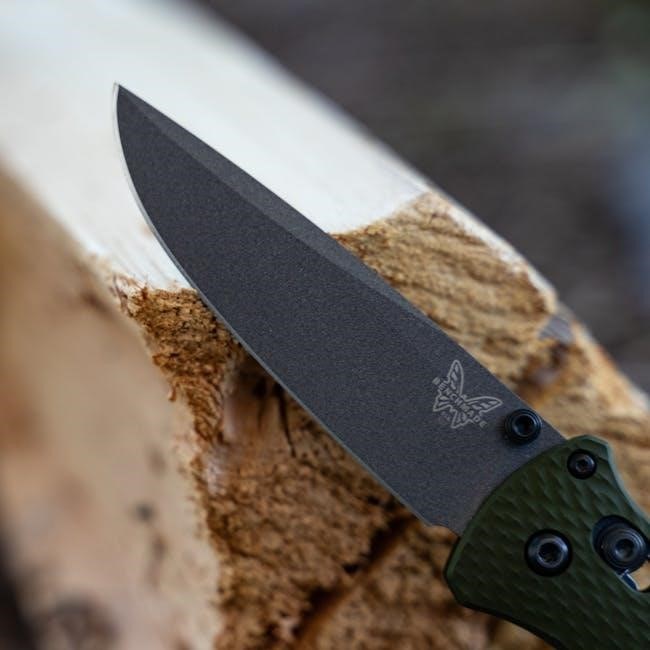
Employing the correct skinning knife is paramount for maximizing efficiency in Cataclysm. While any skinning knife will suffice, upgrading to a higher-quality option significantly boosts your skinning speed. This translates directly into more materials gathered per hour, accelerating your skill progression and profit potential.

Several knives are available throughout Cataclysm, obtainable through vendors, quests, or crafted by Leatherworking. Consider investing in a knife with a skill bonus, especially when leveling. Remember to regularly check the Auction House for affordable upgrades. A superior knife isn’t just about speed; it’s about optimizing your time and resource acquisition, making the entire skinning process far more rewarding.

Skinning While Leveling Other Professions

Combining skinning with other professions offers a synergistic leveling experience in Cataclysm. If you’re also leveling Leatherworking, skinning provides a consistent, self-sufficient source of materials, reducing reliance on the Auction House and boosting crafting efficiency. Similarly, pairing skinning with First Aid allows for immediate utilization of the gathered leather, creating bandages for both personal use and potential sales.

Even without direct synergies, skinning serves as a profitable supplementary profession. While questing or dungeon running, actively skinning beasts encountered provides a steady income stream. This passive income can fund other profession leveling costs or contribute to overall gold accumulation, making it a valuable addition to any character’s skillset.

Modular Fencing for Material Storage

Efficiently organize your Cataclysm skinning materials with modular fencing systems, offering scalable storage solutions for warehouses and basements, maximizing space.

Complete Fence Systems Overview

Complete fence systems provide robust and adaptable solutions for storing the vast quantities of leather and scales acquired through Cataclysm skinning. Kits are available in varying heights – 4, 6, or 8 feet – and widths of 6 or 8 feet, allowing customization to fit your storage needs.

These systems boast durable, heavy-steel construction and a patented design, ensuring quick and efficient assembly. Modular nature allows for easy expansion as your skinning endeavors grow, accommodating new warehouse sections or extended storage areas. They are ideal for creating secure enclosures for valuable materials, protecting them from theft or damage. Consider these systems for optimal organization and security of your hard-earned Cataclysm skinning resources.

Maintenance of Modular Fencing

Modular fencing systems designed for material storage, crucial for Cataclysm skinning profits, are notably low-maintenance. The materials used resist weathering, decay, and pest infestations, ensuring long-term durability and reducing the need for frequent repairs or replacements. Regular inspection for loose connections or damaged panels is recommended, but generally, these fences require minimal upkeep.

Unlike traditional fencing, modular systems allow for easy replacement of individual components if damage occurs, avoiding costly full-fence repairs. Cleaning is typically simple – a wash with mild soap and water will suffice. This minimal maintenance frees up your time to focus on maximizing your skinning efficiency and accumulating valuable Cataclysm materials.

Cost-Effectiveness of Panel Fencing

Panel fencing presents a highly cost-effective solution for storing the substantial volume of materials generated while leveling Cataclysm skinning. Its modular nature allows for scalable expansion – adding sections as your needs grow, avoiding the upfront expense of a large, fixed structure. Compared to building permanent enclosures, panel fencing significantly reduces labor and material costs.

The durability of these systems minimizes long-term expenses associated with repairs and replacements. Furthermore, the ability to reconfigure the fencing offers flexibility for adapting to changing storage requirements. This adaptability, combined with the initial cost savings, makes panel fencing a smart investment for any serious Cataclysm skinner aiming to maximize profitability.

sharp el-1197piii manual

The Sharp EL-1197PIII is a heavy-duty, serial printing calculator, widely documented with extensive operation manuals available online․
Studylib․es and Manualsdir․com host detailed guides, offering comprehensive support for users․

Overview of the EL-1197PIII

The Sharp EL-1197PIII stands as a robust and reliable printing calculator, favored in business and educational settings․ Numerous online resources, including manuals from Studylib․es and Manualsdir․com, detail its functionality․

This calculator excels in applications requiring a hard copy of calculations, offering two-color printing for enhanced readability․ Its durable construction and comprehensive feature set, as illustrated in available documentation, make it a practical tool for complex financial and commercial tasks․ The EL-1197PIII is designed for heavy use․

Key Features and Benefits

The Sharp EL-1197PIII boasts several key features, prominently including its serial printing capability, providing a permanent record of calculations․ Manuals highlight its two-color printing, enhancing clarity and organization of printed outputs․

Benefits include improved accuracy through verification of printed results and streamlined record-keeping․ Its robust design ensures durability for frequent use․ Online resources, like those on Studylib․es, showcase its tax and cost/margin/markup functions, making it ideal for business applications․

Target Users and Applications

The Sharp EL-1197PIII primarily targets professionals requiring detailed calculation records․ This includes accountants, bookkeepers, and financial analysts who benefit from its printing functionality․ Retail businesses utilize it for cost, sell, and margin calculations, as detailed in available manuals․

Its applications span tax computation, change calculations, and general business accounting․ The calculator’s durability makes it suitable for high-volume use in commercial settings․ Online resources confirm its value for anyone needing a reliable, printed audit trail․

Understanding the Calculator’s Components

The EL-1197PIII features a comprehensive front panel, a clear display with indicators, a robust printing mechanism, and relies on battery power for operation․

Front Panel Layout and Functions

The Sharp EL-1197PIII’s front panel is logically organized for efficient operation․ It incorporates dedicated keys for arithmetic functions – addition, subtraction, multiplication, and division – alongside percentage and memory functions (M+, M-, MR, MC)․

Tax calculation keys (+T, -T) facilitate quick tax computations, while cost, sell, and margin keys streamline retail calculations․ A dedicated change calculation key simplifies transactions․ The layout also includes a square root function and controls for printing modes․

Keys are clearly labeled, ensuring ease of use, and their placement optimizes workflow for frequent calculations․

Display Features and Indicators

The Sharp EL-1197PIII features a bright, easily readable display designed for clarity during extended use․ It presents numerical values with sufficient digits to accommodate complex calculations․ Indicators signal key functions, such as memory status (M+ or M-), tax mode (+T or -T), and error conditions․

The display’s characteristics, including resolution, contribute to the calculator’s overall usability․ High-quality images showcase the display’s brightness and legibility․ The display consistently presents accurate results, vital for financial and business applications․

Printing Mechanism Details

The Sharp EL-1197PIII utilizes a serial printing mechanism, enabling a hard copy record of calculations․ This feature is crucial for audit trails and documentation․ The calculator supports two-color printing, enhancing readability and organization of printed output․

The printing speed and resolution are designed for efficient record-keeping․ Proper paper loading and replacement are essential for optimal performance․ Users can adjust print quality settings to suit their needs, ensuring clear and durable printed results․

Power Source and Battery Information

The Sharp EL-1197PIII primarily operates on battery power, ensuring portability and use in locations without direct access to electrical outlets․ Specific battery types and replacement procedures are detailed in the operation manual available on platforms like Studylib․es․

Understanding power consumption is vital for maximizing battery life․ Proper battery storage guidelines, as outlined in the manual, help maintain battery health and longevity․ Always adhere to battery safety information to prevent hazards and ensure safe operation of the calculator․

Basic Operations

The EL-1197PIII excels at standard arithmetic: addition, subtraction, multiplication, and division․ Manuals detail decimal and digit separator usage, alongside percentage calculations for everyday tasks․

Arithmetic Operations (Addition, Subtraction, Multiplication, Division)

Performing calculations on the Sharp EL-1197PIII is straightforward․ Addition, subtraction, multiplication, and division are executed using dedicated keys․ The calculator follows the standard order of operations․

Input numbers directly using the numeric keypad, and then select the desired operation․ The display clearly shows the entered values and the result․

For chained calculations, simply enter the next number and operation without pressing the equals (=) key․ The EL-1197PIII automatically updates the result with each operation, streamlining complex computations․ Refer to the operation manual for specific examples and troubleshooting․

Decimal Point and Digit Separators

The Sharp EL-1197PIII utilizes a decimal point key for entering and calculating with decimal numbers․ Ensure accurate input by pressing the decimal point key before entering fractional values․ Digit separators, often commas or periods depending on regional settings, are crucial for readability․

The calculator’s display will reflect these separators when printing results․

Consult the operation manual for clarification on how the EL-1197PIII handles different regional decimal and digit separation conventions․ Proper use of these features guarantees precise calculations and clear printed outputs, avoiding potential errors in financial or scientific applications․

Percentage Calculations

The Sharp EL-1197PIII simplifies percentage calculations with dedicated functions․ To calculate a percentage of a number, enter the number, press the “%” key, and then the percentage value․ For percentage change, input the original value, then the new value, and utilize the percentage change function․

The calculator automatically handles the necessary calculations, providing accurate results․

Refer to the operation manual for specific key sequences and examples․ Mastering percentage calculations is vital for business, finance, and everyday applications, ensuring accurate markups, discounts, and statistical analysis with this powerful tool․

Memory Functions (M+, M-, MR, MC)

The Sharp EL-1197PIII features four essential memory functions: M+, M-, MR, and MC․ M+ adds the displayed number to the memory․ M- subtracts it․ MR (Memory Recall) displays the stored value․ MC (Memory Clear) resets the memory to zero․

These functions are invaluable for accumulating totals or storing intermediate results during complex calculations․ The operation manual details precise keypress sequences for efficient memory management․ Utilizing these features streamlines workflows, reducing errors and enhancing productivity․

Advanced Functions

The EL-1197PIII excels with tax, cost/sell/margin, and change calculations․ Manuals detail these functions, alongside square root and percentage change operations for complex tasks․

Tax Calculation (+T, -T)

The Sharp EL-1197PIII simplifies tax calculations using dedicated “+T” and “-T” keys․ These functions allow for quick addition or subtraction of tax percentages from prices․
Operation manuals explain how to input the tax rate and then apply it to a value․

For example, to calculate the price including tax, enter the original price, press “+T”, enter the tax percentage, and then press the equals (=) key․ Conversely, “-T” removes tax from a total․
Understanding these keys streamlines business and financial computations, as detailed in available documentation․

Cost, Sell, and Margin Calculations

The Sharp EL-1197PIII excels in retail and business calculations, offering dedicated functions for cost, sell price, and margin․ Manuals detail how to input the cost price, then utilize specific keys to calculate the selling price based on a desired profit margin․

Conversely, you can input the selling price and cost to determine the margin percentage․ This functionality is crucial for inventory management and pricing strategies․ The calculator simplifies complex calculations, providing accurate results quickly, as demonstrated in the operation guides․

Change Calculation

The Sharp EL-1197PIII streamlines cash handling with a dedicated change calculation function․ Operation manuals illustrate how to input the amount received from a customer and the total purchase amount․ The calculator then automatically determines the correct change due, minimizing errors during transactions․

This feature is particularly useful in retail environments with high transaction volumes․ It simplifies the process for cashiers, ensuring accuracy and efficiency․ The manual provides step-by-step instructions for utilizing this essential function effectively․

Square Root and Percentage Change Calculations

The Sharp EL-1197PIII efficiently handles both square root and percentage change calculations․ The operation manual details how to quickly determine the square root of a number using the dedicated √ key․ For percentage change, users can input the original and new values, leveraging built-in functions to instantly calculate the percentage increase or decrease․

These functions are valuable for financial analysis, statistical computations, and various business applications․ The manual provides clear examples, ensuring users can confidently perform these calculations with precision and speed․

Printing Functionality

The EL-1197PIII features serial printing, with manuals detailing modes, settings, and paper loading․ Adjust print quality for clear, reliable documentation of calculations․

Printing Modes and Settings

The Sharp EL-1197PIII offers versatile printing capabilities, as detailed in its operation manual․ Users can select from various printing modes to suit their needs, controlling the output format and content․ Settings allow adjustment of print density for optimal readability, ensuring clear and durable records․

The calculator supports full or partial printing of calculations, including intermediate steps․ Manuals illustrate how to configure these settings, enabling customized printouts for specific applications․ Proper configuration ensures efficient use of printing resources and produces easily interpretable results․

Paper Loading and Replacement

The Sharp EL-1197PIII utilizes a specific paper roll for printing, and the operation manual provides clear instructions for loading and replacing it․ Accessing the paper compartment typically involves releasing a latch or cover on the calculator’s base․ Correct paper insertion is crucial for smooth printing operation, avoiding jams or misfeeds․

The manual details the recommended paper type and size for optimal performance․ When replacing the paper, ensure the end is properly threaded onto the platen․ Following these guidelines, as outlined in the documentation, guarantees reliable printing functionality․

Print Quality Adjustment

The Sharp EL-1197PIII offers adjustments to optimize print quality, detailed within its operation manual․ These controls typically regulate print darkness or intensity, ensuring legible output․ Users can fine-tune these settings based on the paper type used and desired clarity․

The manual illustrates how to access and modify these parameters, often involving internal adjustments․ Proper calibration is essential for consistently clear prints․ Troubleshooting sections address common issues like faded or smudged prints, guiding users through corrective measures for optimal performance․

Troubleshooting Printing Issues

The Sharp EL-1197PIII’s manual dedicates a section to resolving common printing problems․ Faded prints often indicate low print darkness settings, requiring adjustment as detailed in the manual․ Paper jams are addressed with clear removal instructions, preventing damage to the printing mechanism․

Smudged or unclear prints may stem from incorrect paper type or a dirty print head․ The manual guides users through cleaning procedures․ Error messages related to the printer are explained, offering solutions for restoring functionality and ensuring reliable operation․

Maintenance and Care

The EL-1197PIII manual stresses regular cleaning and proper battery replacement․ It details procedures for both, alongside storage guidelines and error troubleshooting steps․

Cleaning the Calculator

To ensure longevity, the Sharp EL-1197PIII requires periodic cleaning․ The operation manual recommends using a soft, dry cloth to wipe the exterior surfaces․ Avoid abrasive cleaners or solvents, as these can damage the plastic casing and potentially affect the printing mechanism․

For stubborn marks, a slightly dampened cloth (with water only) can be used, followed immediately by a dry cloth․ Never apply liquid directly onto the calculator․ Pay particular attention to the keys and display area, gently removing any dust or debris․ Regular cleaning maintains optimal performance․

Battery Replacement Procedures

The EL-1197PIII typically uses standard batteries․ Before replacement, ensure the calculator is switched off․ Locate the battery compartment, usually on the back, and carefully open it․ Remove the old batteries, noting the correct polarity (+ and -)․

Insert new batteries, matching the polarity markings within the compartment․ Close the battery cover securely․ Dispose of used batteries responsibly, following local regulations․ A low battery indicator on the display signals the need for replacement, ensuring continued operation․

Storage Guidelines

To maximize the lifespan of your Sharp EL-1197PIII, store it in a cool, dry place, away from direct sunlight and extreme temperatures․ Avoid storing it with or near magnetic fields, which could potentially affect its electronic components․

When not in use for extended periods, remove the batteries to prevent corrosion and potential damage․ A protective cover or case can shield the calculator from dust and physical impacts, maintaining its functionality and appearance over time․

Error Messages and Troubleshooting

While the EL-1197PIII is robust, errors can occur․ Common issues might involve printing malfunctions or incorrect calculations․ If a printing error arises, check paper loading and print settings․ For calculation errors, verify input and ensure proper function selection․

Consult the operation manual available on sites like Studylib․es for specific error code explanations and troubleshooting steps․ If problems persist, battery replacement or professional servicing may be necessary to restore optimal performance․

Technical Specifications

The EL-1197PIII features a robust build, with dimensions around 950x1117mm (image data)․ It offers serial printing and is designed for heavy-duty use․

Dimensions and Weight

Determining precise dimensions and weight requires consulting the official Sharp EL-1197PIII operation manual, as specifications can vary slightly between models․ However, image data sourced from manuals and online resources, like ManualsLib, suggests a substantial physical presence․

Based on available imagery, the calculator’s footprint is approximately 950mm in width and 1117mm in height (when viewing a first image from the manual)․ While a precise weight isn’t readily available from the provided data, its ‘heavy-duty’ designation implies a considerable mass, built for prolonged and frequent use in demanding environments․

Power Consumption

Detailed power consumption figures for the Sharp EL-1197PIII are not explicitly stated within the limited data provided․ The operation manual, available on sites like Studylib․es, would contain this crucial information․ However, given its printing capabilities and ‘heavy-duty’ classification, it’s reasonable to assume a relatively higher power draw compared to basic calculators․

The calculator relies on battery power, necessitating regular battery replacements; Understanding the specific voltage and current requirements, detailed in the manual, is vital for optimal performance and longevity of the device․

Display Characteristics

The Sharp EL-1197PIII features a numeric display designed for clear readability, crucial for reviewing calculations and printed outputs․ Images sourced from Mavink․com showcase a bright, albeit somewhat dated, display․ The manual, accessible via Studylib․es, details the display’s capacity – the number of digits it can show simultaneously․

While specifics regarding resolution aren’t readily available, the display’s primary function is to present numerical values accurately․ Its brightness is a noted characteristic, aiding visibility in various lighting conditions․

Printing Speed and Resolution

The Sharp EL-1197PIII’s printing capability is a key feature, offering a hard copy of calculations․ While precise printing speed specifications aren’t widely published, it’s characterized as a serial printer, indicating a line-by-line output․ Manuals available on sites like Studylib․es detail printing modes and settings․

Resolution details are limited; however, images suggest a standard dot-matrix print quality typical for calculators of its era․ The print provides a permanent record, useful for auditing and documentation purposes․

Safety Precautions

Always follow general safety guidelines when operating the EL-1197PIII․ Proper battery handling and avoiding extreme operating environments are crucial for safe use․

General Safety Guidelines

To ensure safe operation of the Sharp EL-1197PIII calculator, avoid dropping or subjecting it to strong impacts․ Do not expose the device to extreme temperatures or humidity, as this can damage internal components․

Refrain from disassembling the calculator beyond battery replacement, as this voids the warranty and poses a safety risk․ Keep the calculator clean and free from dust and liquids․

Always use a soft cloth for cleaning, and never use abrasive cleaners or solvents․ Exercise caution when handling the printing mechanism to prevent injury․

Battery Safety Information

When replacing batteries in the Sharp EL-1197PIII, always use the correct type as specified in the manual․ Incorrect battery types can cause damage or malfunction․ Do not mix old and new batteries, or different battery brands․

Dispose of used batteries responsibly, following local regulations for battery recycling․ Avoid short-circuiting the batteries, as this can generate heat and potentially cause a fire․

If battery leakage occurs, avoid contact with skin and eyes․ Clean the battery compartment with a dry cloth․

Operating Environment Considerations

The Sharp EL-1197PIII is designed for general office and commercial use․ Avoid operating the calculator in extremely humid or dusty environments, as this can affect its performance and lifespan․

Do not expose the calculator to direct sunlight or extreme temperatures, as this may damage the display and internal components․ Maintain a stable, flat surface for operation to prevent accidental drops or instability․

Regular cleaning, as outlined in the manual, will help maintain optimal performance in various operating conditions․

Warranty Information

The EL-1197PIII warranty details, claim procedures, and limitations are typically found within the official Sharp operation manual․ Review it carefully!

Warranty Coverage Details

Sharp’s warranty for the EL-1197PIII calculator generally covers defects in materials and workmanship under normal use․ This coverage typically extends for a specific period, often one year from the original purchase date, though this can vary by region․

The warranty usually includes repair or replacement of the defective unit, at Sharp’s discretion․ It does not cover damage resulting from misuse, accidents, unauthorized repairs, or normal wear and tear․ Proof of purchase is essential for any warranty claim․ Refer to the official manual for precise terms․

How to Claim Warranty

To initiate a warranty claim for your Sharp EL-1197PIII, first, retain your original proof of purchase (receipt or invoice)․ Contact Sharp’s customer support through their official website or phone number – details are often found within the calculator’s manual․

You may need to provide the model number, date of purchase, and a description of the defect․ Sharp will likely issue a Return Merchandise Authorization (RMA) number and instructions for shipping the calculator to an authorized service center․ Shipping costs may be your responsibility․

Limitations and Exclusions

The Sharp EL-1197PIII warranty typically doesn’t cover issues arising from misuse, accidental damage, unauthorized repairs, or normal wear and tear․ Damage caused by improper cleaning, power surges, or using non-approved accessories voids the warranty․

Consumable parts, like the printer ribbon or batteries, are generally excluded․ The warranty is also limited to defects in materials and workmanship under normal operating conditions and doesn’t extend to consequential damages․